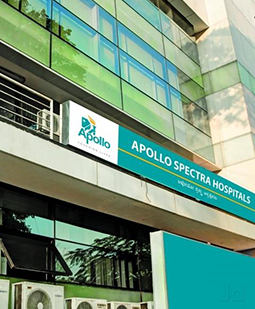
Información clave para planificar cirugía de rtup en India.
$3,000 desdePrecio más bajo publicado
1 hDuración del procedimiento
4 díasEstancia hospitalaria
16 hospitalesOfrecen cirugía de rtup
Cirugía de RTUP en India aparece desde US$3,000 hasta US$3,800 en 16 hospitales. La operación dura 1 hora, con 4 días de hospitalización. Cada hospital cotiza su propio precio para su caso.
Precios actualizados en may 2010
Costo de Cirugía de RTUP en India
Tabla de precios por tipo de procedimiento, en US$. Cada hospital cotiza su propio precio para su caso.
Procedimiento
Precio mínimo
Precio máximo
Cirugía de RTUP
$3,000
$3,800
Precio desde $3,000 hasta $3,800 · actualizado en may 2010.Cada hospital cotiza el precio final
Hospitales y clínicas que ofrecen Cirugía de RTUP en India
Cirugía de RTUP aparece en 16 hospitales en India. El orden cambia cada hora para que todos tengan la misma visibilidad.
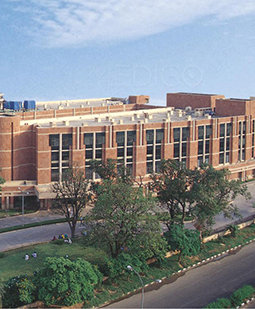
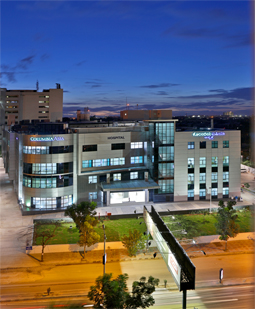
A modern 100 bed hospital opened in 2008, located in Gurgaon, outside of New Delhi.The hospital is a part of the Columbia Asia Group, which has an international patients office able to assist foreign patients with all aspects of medical travel.
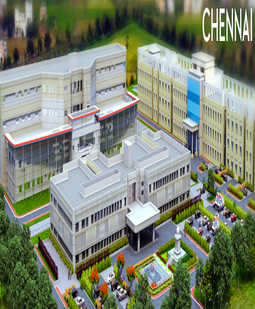
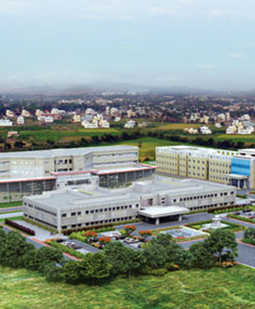
The flagship hospital of the Global Hospitals Group, which operates eight hospitals throughout India. The modern 500 bed hospital was opened in 2009, and offers advanced medical and surgical treatment, including organ transplantation, cardiac surgey and neurosurgy.
A 200-bed facility located at Gateway Center in Northwest Bangalore. The hospital opened in 2008 and provides comprehensive tertiary-level services, such as cardiac operations, orthopedics and neuroscience, as well as secondary-level medical care.
The centres provide complete care in Urology for diseases including congenital disorders, stone disease, urological cancers, incontinence, infertility, erectile dysfunction etc.
At the Institute of Urology you will find the best urologists in the country offering comprehensive urology services to diagnose and treat kidney stone disease and urinary tract difficulties. Equipped with direct lithotripter for ESWL for kidney, ureteric calculi and laser for stone diseases.
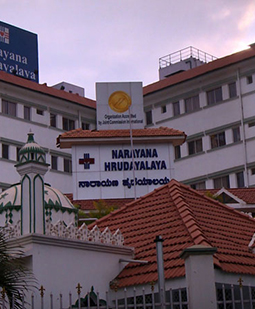
A conglomeration of hospitals in one campus, including: the Sparsh Hospital for Orthopedics & Trauma, the Mazumdar Shaw Cancer Center, the Narayana Hrudayalaya Heart Hospital, the Narayana Nethralaya Eye Hospital, as well as a full fledged multi specialty hospital.
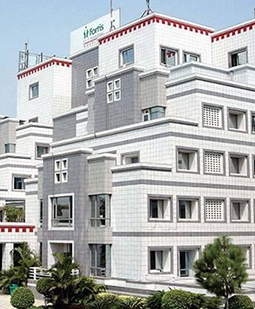
Fortis Flt. Lt. Rajan Dhall Hospital is a Centre of Excellence for Cardiac Sciences, Renal Sciences, Diabetology, Pulmonology and Thoracic Sciences and a specialty center for Joint Replacement, Genito-urinary, Cosmetic Surgery and Dental care.
Like many health conditions, people suffer from a wide range of urological disorders that are prevalent in men and women across various age groups. These conditions not only affect the urine output of the individual but also affect the renal functioning, and reproductive function in men.
What is TURP Surgery?
Transurethral resection of the prostate (TURP) is a surgical procedure performed to remove the whole or only a portion of the prostate gland that is enlarged.
Surgery is recommended if all other forms of treatment have been unsuccessful in treating the symptoms of benign prostatic hyperplasia (BPH).
TURP surgery is more common in the treatment of an enlarged prostate than open prostatectomy. Open prostatectomy is only required if the prostate is very large. The symptoms are significantly reduced after TURP surgery.
How is TURP Surgery Performed?
A cystoscope, which is an endoscopic tube, is inserted into the patient’s urethra.
A special cutting tool is inserted into the cystoscope.
The prostate gland is removed in pieces with the help of an electric current.
A sterile solution is used to flush the patient’s bladder and remove the tissues of the prostate gland.
How to Prepare for TURP Surgery?
The patient is physically examined to ensure that the patient is in a good condition to undergo surgery.
The patient may need to give some tests like blood and urine analysis, etc.
The doctor should be informed about any medication that the patient is taking with or without a prescription. These may include supplements or herbs or drugs.
Certain medication that the patient is taking may be stopped two weeks before the surgery.
The doctor should be informed if the patient has any ailments or medical conditions.
The patient must stop smoking to ensure a quick recovery.
Acerca de Cirugía de RTUP
Datos clave para planificar su tratamiento: cuánto dura, la estancia en el hospital, la anestesia, los riesgos y la recuperación.
Duración de la cirugía/tratamiento
Approximately 1 hour
Días de hospitalización
Approximately 4 days
Anestesia
General or spinal anesthesia
Recuperación
- Blood or blood clots from the bladder are removed after the surgery with the help of a catheter.
- The catheter is removed when there is no more bleeding or blood clots in the urine.
- Frequent urination symptom may continue for six weeks after the surgery.
- The patient can resume normal diet after the surgery.
- Medication may be provided to reduce bladder spasms.
Riesgos
Risks of anesthesia include:
- Breathing difficulty
- Allergic reaction to medication
Risks of any surgery include:
- Bleeding
- Blood clotting
- Infection
Risks of TURP surgery include:
- Bladder perforation
- Bladder neck stenosis
- Injury to the internal sphincter system, which may lead to retrograde ejaculation
- Urethral stricture, in which the urinary outlet is tightened due to scar tissue
- Urinary incontinence
- Impotence
- Infertility
- Damage to other organs and structures.
- TURP Syndrome:
During TURP surgery, excess amounts of fluids absorption from the open sinusoids of the prostate can cause hyponatremia and water stroke. This can result in mental status changes, confusion, nausea, vomiting, and coma. TURP syndrome may be prevented by limiting the duration of the surgery to less than one hour.
Cuidados posteriores
- The patient should avoid strenuous activities including sexual intercourse for six weeks after the surgery.
- The patient will need to change positions in bed and do some exercises to maintain blood circulation.
- The patient is also required to use some coughing and breathing techniques from time-to-time, between three to four hours.
- The patient may need to wear special stockings to prevent blood clotting.
- A breathing device may be used to help the patient in clearing the lungs and preventing pneumonia.

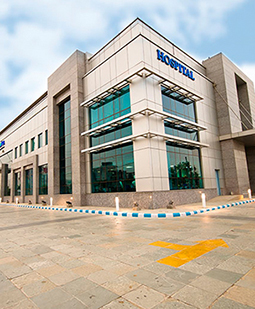 Private Hospital
 JCI
 ISO