Información clave para planificar revestimiento de cadera en India.
$6,000 desdePrecio más bajo publicado
2 hDuración del procedimiento
2–5 díasEstancia hospitalaria
19 hospitalesOfrecen revestimiento de cadera
Revestimiento de Cadera en India aparece desde US$6,000 hasta US$7,000 en 19 hospitales. La operación dura 2 horas, con 2 a 5 días de hospitalización. Cada hospital cotiza su propio precio para su caso.
Precios actualizados en may 2010
Costo de Revestimiento de Cadera en India
Tabla de precios por tipo de procedimiento, en US$. Cada hospital cotiza su propio precio para su caso.
Procedimiento
Precio mínimo
Precio máximo
Revestimiento de Cadera
$6,000
$7,000
Precio desde $6,000 hasta $7,000 · actualizado en may 2010.Cada hospital cotiza el precio final
Hospitales y clínicas que ofrecen Revestimiento de Cadera en India
Revestimiento de Cadera aparece en 19 hospitales en India. El orden cambia cada hora para que todos tengan la misma visibilidad.
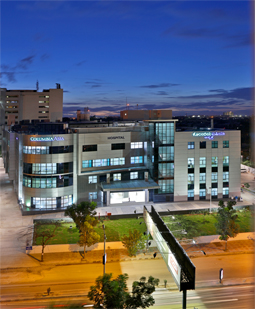
A modern 100 bed hospital opened in 2008, located in Gurgaon, outside of New Delhi.The hospital is a part of the Columbia Asia Group, which has an international patients office able to assist foreign patients with all aspects of medical travel.
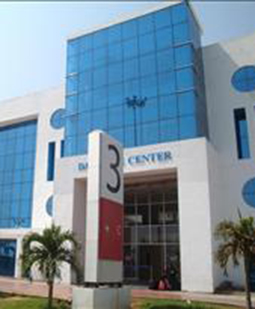
A 200-bed facility located at Gateway Center in Northwest Bangalore. The hospital opened in 2008 and provides comprehensive tertiary-level services, such as cardiac operations, orthopedics and neuroscience, as well as secondary-level medical care.
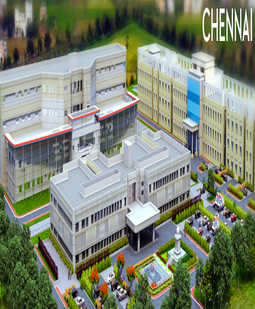
A Joint surgery centre located in Chennai, India. It specializes in various knee surgeries such as total knee replacement, joint surgeries, and cartilage surgeries. The centre serves local as well as international patients.
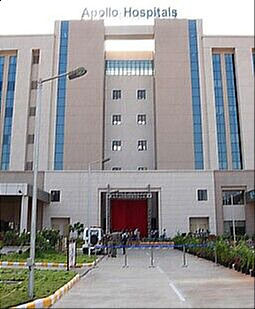
The Apollo Institutes of Orthopedics symbolises over 30 years of clinical excellence. The Institute is a pioneer in introducing many innovations in Orthopedic care in India.
With comprehensive and joint care, Gleneagles Global Hospitals helps in restoring your sense of mobility. Gleneagles Global Hospitals have well equipped wards with global standard amenities to treat any condition.
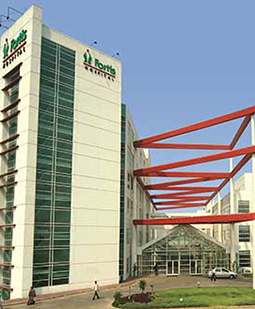
Located near Delhi, Fortis Hospital Noida is a Centre of Excellence for Orthopaedics and Neurosciences with a focus on Cardiac Sciences, Minimally Invasive Surgeries and Oncology.
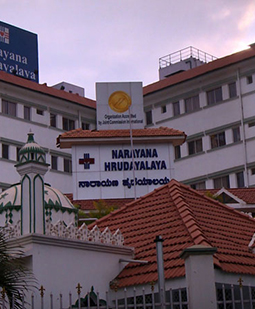
A conglomeration of hospitals in one campus, including: the Sparsh Hospital for Orthopedics & Trauma, the Mazumdar Shaw Cancer Center, the Narayana Hrudayalaya Heart Hospital, the Narayana Nethralaya Eye Hospital, as well as a full fledged multi specialty hospital.
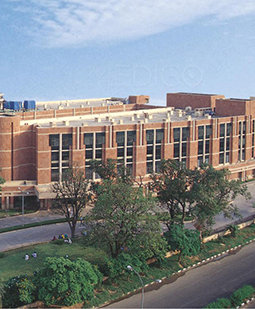
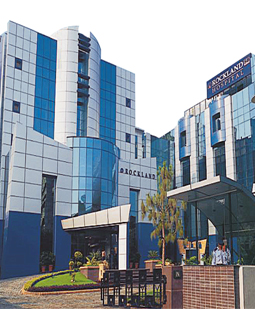
Rockland Hospital Qutab offers choice of selecting from economy rooms to most luxurious single rooms. It is well recognized and credited for its services. The hospital attracts more than 1500 international patients for their specialized medical care needs in a year.
EHIRC is a JCI accredited hospital which is a Centre of Excellence providing the latest technology in: Cardiac Surgery, Interventional Cardiology, Minimally Invasive Surgery (Robotics), Non-Invasive Cardiology, Paediatric Surgery & Paediatric Cardiology
What is Hip Resurfacing Surgery
Hip resurfacing surgery is a surgical procedure in which a metal cap is placed over the femoral head and a metal cup is placed in the pelvis, which replaces the connecting surfaces of the hip joint. It is an alternative to total hip replacement.
In hip resurfacing surgery, the amount of bone that is removed is lesser than that in a hip replacement surgery. If the hip resurfacing parts are required to be replaced eventually, there is an adequate amount of bone that is left to conduct a hip replacement surgery. The risk of hip dislocation is also less.
How is Hip Resurfacing Performed?
An incision is made on the side of the high through which the surgeon can view the femoral head and socket.
The femoral head is removed from the socket.
The femoral head is shaped with powered instruments to make it fit into the new metal surface.
The cap is then fitted into the femoral head and fixed in place with a small peg that is attached into the bone.
A metal cup replaces the hip socket.
A reamer is used to remove cartilage from the socket and shape it so that the artificial socket fits in.
The metal socket is then fitted in position and remains in place due to friction, until the bone grows and attaches to the metal.
The incision is closed with stitches and covered with a bandage.
How to Prepare for Hip Resurfacing?
The patient is physically examined to ensure that the patient is in a good condition to undergo surgery.
The patient may also be required to meet the physical therapist who will look after the patient’s rehabilitation. During this, the patient is fully examined to measure the patient’s current level of pain and to determine the strength and movement of the hips. Then, the patient is required to learn some exercises that needs to be done after the surgery. The patient will also be taught how to use crutches or a walker.
The patient may be required to donate some blood before 3 to 5 weeks. In case the patient needs a blood transfusion during the surgery, the patient’s own blood can be provided.
The patient’s bone should be adequately healthy to support the metal cap.
Certain medication that the patient is taking may be stopped 10 days prior to the surgery.
The patient should inform the doctor about any ailments or medical conditions.
Smoking should be stopped at least a couple of weeks before the surgery to ensure quick healing and a successful result.
Acerca de Revestimiento de Cadera
Datos clave para planificar su tratamiento: cuánto dura, la estancia en el hospital, la anestesia, los riesgos y la recuperación.
Duración de la cirugía/tratamiento
Approximately 2 hours
Días de hospitalización
2 to 5 days
Anestesia
General Anesthesia
Recuperación
- After the surgery, the patient is required to wear special stockings or boots to prevent blood clotting.
- A triangular cushion is placed between the patient’s legs to stop the legs from crossing and dislocating the hip joint.
- The patient is required to learn some breathing exercises using an incentive spirometer, which helps in improving breathing and avoiding pneumonia.
- Physical therapy is conducted one to three times a day when the patient is in the hospital. This will help the patient to move around. If the patient has had an un-cemented prosthesis, the patient may be instructed to put less weight on the foot.
- The stitches will be removed in 12 to 14 days after the surgery.
Riesgos
Risks of anesthesia include:
- Breathing difficulty
- Allergic reaction to medication
Risks of surgery include:
- Bleeding
- Blood clotting
- Infection
- Pain and swelling
Additional risks include:
- Dislocation of the hip joint
- Difference in the length of the legs
- Loosening of the artificial hip in due course
- Nerve injury
- Bone breakage
- Blood vessel injury
Cuidados posteriores
- The patient will require crutches to move around for 4 to 6 weeks after the surgery. The patient can resume light activities after 6 weeks. However, standing and lifting should be avoided for a longer time.
- The patient should avoid crossing legs and limit hip movements for at least 8 weeks after the surgery.
- The patient may need to continue wearing the compression stockings for some weeks at home.
- The patient should follow the doctor’s instructions on doing certain activities, like driving.
- The patient should avoid heavy sports that involve running and jumping.
- The patient should continue doing the physical therapy exercises at home.

 Private Hospital
 JCI
 ISO