Información clave para planificar reemplazo de cadera en India.
$6,300 desdePrecio más bajo publicado
4–6 díasEstancia hospitalaria
24 hospitalesOfrecen reemplazo de cadera
Reemplazo de Cadera en India aparece desde US$6,300 hasta US$14,500 en 24 hospitales. Requiere 4 a 6 días de hospitalización. Cada hospital cotiza su propio precio para su caso.
Precios actualizados en may 2010
Costo de Reemplazo de Cadera en India
Tabla de precios por tipo de procedimiento, en US$. Cada hospital cotiza su propio precio para su caso.
Procedimiento
Precio mínimo
Precio máximo
Reemplazo de Cadera
$6,300
$14,500
Precio desde $6,300 hasta $14,500 · actualizado en may 2010.Cada hospital cotiza el precio final
Hospitales y clínicas que ofrecen Reemplazo de Cadera en India
Reemplazo de Cadera aparece en 24 hospitales en India. El orden cambia cada hora para que todos tengan la misma visibilidad.
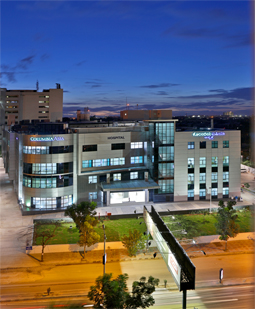
A modern 100 bed hospital opened in 2008, located in Gurgaon, outside of New Delhi.The hospital is a part of the Columbia Asia Group, which has an international patients office able to assist foreign patients with all aspects of medical travel.
The flagship hospital of the Global Hospitals Group, which operates eight hospitals throughout India. The modern 500 bed hospital was opened in 2009, and offers advanced medical and surgical treatment, including organ transplantation, cardiac surgey and neurosurgy.
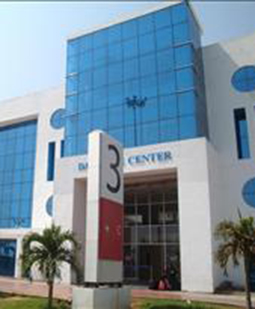
A 200-bed facility located at Gateway Center in Northwest Bangalore. The hospital opened in 2008 and provides comprehensive tertiary-level services, such as cardiac operations, orthopedics and neuroscience, as well as secondary-level medical care.
A Joint surgery centre located in Chennai, India. It specializes in various knee surgeries such as total knee replacement, joint surgeries, and cartilage surgeries. The centre serves local as well as international patients.
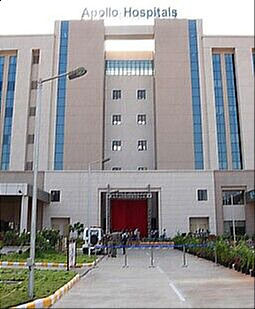
The Apollo Institutes of Orthopedics symbolises over 30 years of clinical excellence. The Institute is a pioneer in introducing many innovations in Orthopedic care in India.
With comprehensive and joint care, Gleneagles Global Hospitals helps in restoring your sense of mobility. Gleneagles Global Hospitals have well equipped wards with global standard amenities to treat any condition.
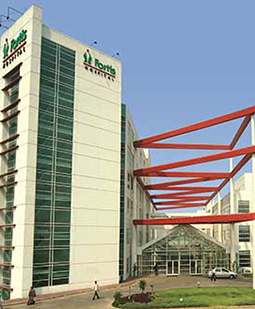
Located near Delhi, Fortis Hospital Noida is a Centre of Excellence for Orthopaedics and Neurosciences with a focus on Cardiac Sciences, Minimally Invasive Surgeries and Oncology.
A conglomeration of hospitals in one campus, including: the Sparsh Hospital for Orthopedics & Trauma, the Mazumdar Shaw Cancer Center, the Narayana Hrudayalaya Heart Hospital, the Narayana Nethralaya Eye Hospital, as well as a full fledged multi specialty hospital.
EHIRC is a JCI accredited hospital which is a Centre of Excellence providing the latest technology in: Cardiac Surgery, Interventional Cardiology, Minimally Invasive Surgery (Robotics), Non-Invasive Cardiology, Paediatric Surgery & Paediatric Cardiology
What is Total Hip Replacement (Hip Arthroplasty)?
A total hip replacement is a surgical procedure whereby the diseased cartilage and bone of the hip joint is surgically replaced with artificial materials.
Why do you need a hip replacement?
The aims of hip replacement are pain relief and improvement in hip function.
Hip replacement is usually considered only after other therapies, such as pain medications and physical therapy, have failed.
What conditions are commonly treated with hip replacement?
Total hip replacement is commonly used to treat:
Joint failure caused by osteoarthritis.
Rheumatoid arthritis
Traumatic arthritis
Hip fractures
Avascular necrosis
Benign and malignant bone tumors And other less common conditions
How long will the new hip last?
The new hip joint is expected to last over ten years in 90% of patients.
The chance of hip replacement lasting 20 years or more is 80%.
What are the other types of hip replacement?
Partial hip replacement
The hip is a ball and socket joint. Through disease or wear and tear, it can become damaged. If only part of the joint is damaged, a partial hip replacement may be an option.
In a partial hip replacement surgery, the hip socket is usually left intact. The head of the femur bone is replaced with an artificial component similar to that used in a total hip replacement. Sometimes a device is fitted over the bone which means the top of the femur does not have to be cut.
Minimally invasive hip replacement
Minimally invasive hip replacement allows the surgeon to perform the hip replacement through one or two small incisions. Compared with the traditional hip replacement surgery, this technique may reduce the pain and speed up the recovery.
Minimally invasive hip replacement has not been practiced for long, so there are no reliable studies comparing it to the traditional method.
Revision hip replacement
Artificial implants wear down over time, and may need to be replaced. Revision hip replacement surgery is a procedure to replace a worn out implant.
Revision hip replacements are more complicated then the first hip replacement and their outcomes are not as good. The risk of complications increases with each revision.
Acerca de Reemplazo de Cadera
Datos clave para planificar su tratamiento: cuánto dura, la estancia en el hospital, la anestesia, los riesgos y la recuperación.
Duración de la cirugía/tratamiento
A total hip replacement surgery takes approximately two to four hours. Preperation can take an additional few hours.
Días de hospitalización
You will usually be hospitalized for 4 to 6 days.
Anestesia
General anesthesia, or spinal anesthesia (anesthetizes your body from the waist down)
Recuperación
Recovery depends on your general health, age, and the outcome of the surgery.
Physical therapy is a very important factor in the overall outcome of hip replacement surgery, and will usually start as soon as possible after the surgery.
Riesgos
Serious complications occur in fewer than 2% of patients.
The mortality rate from hip replacement surgery is well below 1%.
Risks include:
- Blood clots.
- Infection.
- Fracture of the hip joint during surgery.
- Dislocation of the new joint.
- Loosening of your new joint over time, causing pain in your hip.
- Breakage of the prosthesis.
- Change in leg length.
- Joint stiffening: sometimes the soft tissues around your joint hardens, making it difficult to move your hip.
- Wear and tear over time.
Cuidados posteriores
Información próximamente. Pida una consulta para recibir orientación personalizada sobre la recuperación. Pedir presupuesto →

 Private Hospital

 JCI
 ISO