Información clave para planificar laminectomía en India.
$4,000 desdePrecio más bajo publicado
1–3 hDuración del procedimiento
1–3 díasEstancia hospitalaria
12 hospitalesOfrecen laminectomía
Laminectomía en India aparece desde US$4,000 hasta US$5,000 en 12 hospitales. La operación dura 1 a 3 horas, con 1 a 3 días de hospitalización. Cada hospital cotiza su propio precio para su caso.
Precios actualizados en may 2017
Costo de Laminectomía en India
Tabla de precios por tipo de procedimiento, en US$. Cada hospital cotiza su propio precio para su caso.
Procedimiento
Precio mínimo
Precio máximo
Laminectomía
$4,000
$5,000
Precio desde $4,000 hasta $5,000 · actualizado en may 2017.Cada hospital cotiza el precio final
Hospitales y clínicas que ofrecen Laminectomía en India
Laminectomía aparece en 12 hospitales en India. El orden cambia cada hora para que todos tengan la misma visibilidad.
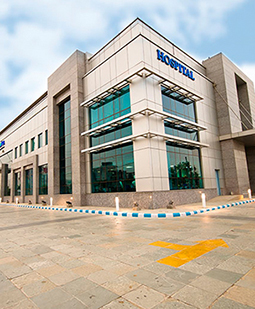
A modern 100 bed hospital opened in 2008, located in Gurgaon, outside of New Delhi.The hospital is a part of the Columbia Asia Group, which has an international patients office able to assist foreign patients with all aspects of medical travel.
The flagship hospital of the Global Hospitals Group, which operates eight hospitals throughout India. The modern 500 bed hospital was opened in 2009, and offers advanced medical and surgical treatment, including organ transplantation, cardiac surgey and neurosurgy.
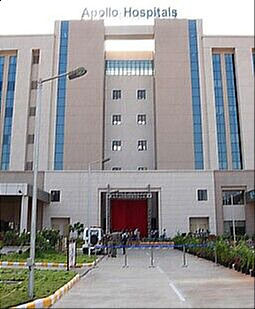
Apollo Hospitals, Chennai is recognized as a leader in acute Neurosurgical care and is ranked among the top hospitals specializing in neuro care in the world.
The team of surgeons includes internationally reputed experts, who are deft at providing innovative and the most modern surgical treatment and management services for all sorts of disorders of the nervous system.
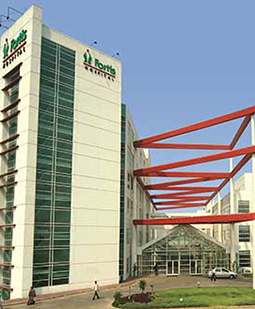
Located near Delhi, Fortis Hospital Noida is a Centre of Excellence for Orthopaedics and Neurosciences with a focus on Cardiac Sciences, Minimally Invasive Surgeries and Oncology.
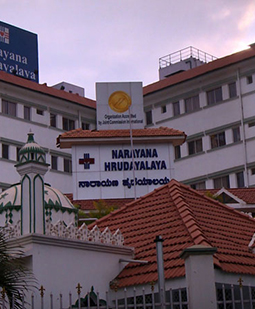
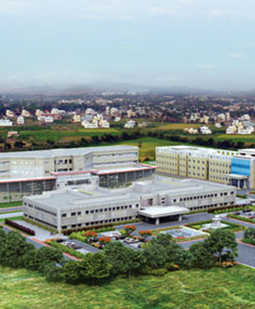
A conglomeration of hospitals in one campus, including: the Sparsh Hospital for Orthopedics & Trauma, the Mazumdar Shaw Cancer Center, the Narayana Hrudayalaya Heart Hospital, the Narayana Nethralaya Eye Hospital, as well as a full fledged multi specialty hospital.
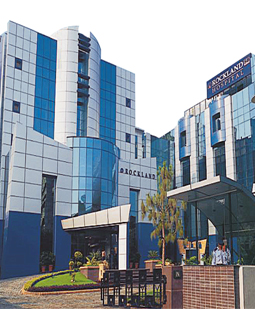
Rockland Hospital Qutab offers choice of selecting from economy rooms to most luxurious single rooms. It is well recognized and credited for its services. The hospital attracts more than 1500 international patients for their specialized medical care needs in a year.
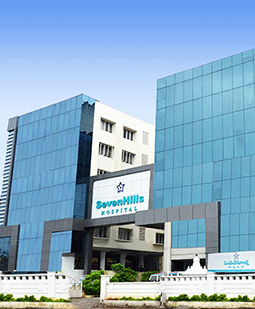
SevenHills Group of Hospitals (SHHL) has been delivering Healthcare services at the highest level, since past 25 years. SevenHills Hospital, Mumbai, is a world class integrated Healthcare Delivery System, that provides comprehensive Healthcare...
The Neurosurgery department offers some of the most advanced surgical treatments along with a variety of non-surgical approaches to restore his patient's health and relieve their pain.
What is Laminectomy?
Laminectomy is a surgical procedure commonly performed as a treatment for low back pain due to injury, spinal abnormalities or disc degeneration.
How is Laminectomy Performed?
In this procedure, a small fragment of the spinal disc is removed to relieve pain. The patient is required to lie down on the operating table with the face down. An incision is made over the particular vertebrae and deeper to the lamina. The nerve root is pulled back to the middle of the spinal column, and the disk or part of the disk is removed.
How to prepare for Laminectomy?
The patient should inform the doctor about any ailments, medical conditions and medication that the patient may be taking.
The patient should not smoke for several days before the surgery.
Two weeks prior to the surgery, the doctor may stop certain medication that the patient may be taking.
The doctor may advise patients undergoing a lumbar spine fusion surgery to take Fleets enema the night before the surgery.
The patient may need to give the following tests and examinations:
Physical examination
Electrocardiogram
X-rays
Blood and urine tests
Anesthesia interview
Acerca de Laminectomía
Datos clave para planificar su tratamiento: cuánto dura, la estancia en el hospital, la anestesia, los riesgos y la recuperación.
Duración de la cirugía/tratamiento
1 to 3 hours
Días de hospitalización
1 to 3 days
Anestesia
General anesthesia
Recuperación
- The patient is kept in a recovery room until the patient regains consciousness.
- The patient can lie on the side or back.
- A catheter may be placed in the patient’s bladder.
- Pain medication may be prescribed by the doctor.
- The patient may be required to wear compression stocking to minimize the possibilities of blood clots.
- The patient may be asked to move about after the anesthesia wears off.
- The surgeon may schedule a checkup a week after the surgery to ensure that the wound is healing and there are no post-surgery complications. Stitches or staples may also be removed during this visit.
- Follow up visits may be scheduled by the surgeon.
Riesgos
The risks involved in laminectomy are:
- Vertebral bone infection
- Spinal nerve damage
- No relief from pain
- Problem in the spinal column that is above and below the area of lumbar spine fusion
- Bowel or bladder dysfunction
- Sexual dysfunction
- Numbness
- Weakness
- Paralysis
- Leakage of cerebrospinal fluid
- Injury to other organs and blood vessels
The general risks involved in any surgery include:
- Infection
- Bleeding
- Breathing problems
- Blood clot
- Stroke
- Adverse reaction to medication and anesthesia
Cuidados posteriores
- Patients may sleep on their backs with pillows placed under the neck and knees. Alternatively, they may lie on their sides with knees bent slightly, and a pillow placed between the knees.
- Bending over should be avoided or minimized.
- Driving and doing light activities should be avoided for one to two weeks after surgery.
- Short walks every day is recommended to speed up recovery and reduce pain.
- Patients with a sedentary job may return to work in one to two weeks after surgery. However, patients with strenuous jobs may need to avoid working for two to four months.
The doctor should be contacted if the following symptoms occur:
- Redness, swelling and bleeding from the incision
- If staples or stitches come off
- Fever
- Severe pain in the legs, back and backside
- Urinating inability
- No control over bowels or bladder
- Swelling, redness and pain in one of the legs
- Inability to move legs
- Severe headache
- Chest pain and breathing difficulty

 Private Hospital
 JCI
 ISO