Información clave para planificar revestimiento de cadera en Malasia.
$5,700 desdePrecio más bajo publicado
2 hDuración del procedimiento
2–5 díasEstancia hospitalaria
5 hospitalesOfrecen revestimiento de cadera
Revestimiento de Cadera en Malasia aparece desde US$5,700 hasta US$6,500 en 5 hospitales. La operación dura 2 horas, con 2 a 5 días de hospitalización. Cada hospital cotiza su propio precio para su caso.
Última revisión 25 nov 2026Última actualización de precios: 22 nov 2026Cifras tomadas de los listados
Costo de Revestimiento de Cadera en Malasia
Tabla de precios por tipo de procedimiento, en US$. Cada hospital cotiza su propio precio para su caso.
Procedimiento
Precio mínimo
Precio máximo
Revestimiento de Cadera
$5,700
$6,500
Precio desde $5,700 hasta $6,500 · actualizado en nov 2026.Cada hospital cotiza el precio final
Hospitales y clínicas que ofrecen Revestimiento de Cadera en Malasia
Revestimiento de Cadera aparece en 5 hospitales en Malasia. El orden cambia cada hora para que todos tengan la misma visibilidad.
Orthopedic surgery or orthopedics (also spelled orthopaedics) is the branch of surgery concerned with conditions involving the musculoskeletal (muscle and bone) system.
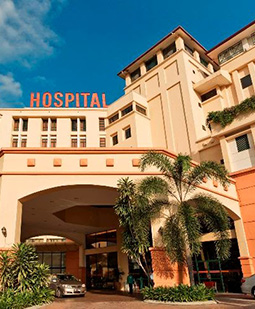
The Mahkota Bone and Joint Replacement Centre is a Centre Of Excellence for orthopaedic and joint replacement surgeries. Our team of experienced doctors are able to provide a comprehensive range of services.
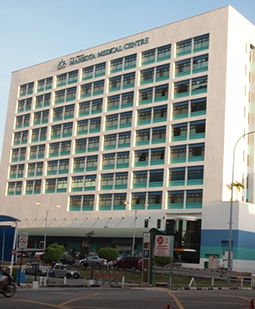
The Bone and Joint Centre at Sunway Medical Centre consists of a team of Orthopaedic Consultants that come together to provide patients with therapies and interventions to overcome their bone and joint problems. The Centre does bone and joint replacement surgeries, lumbar and spine surgeries as well
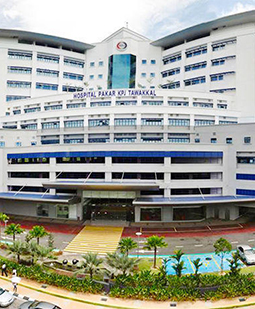
The Orthopaedic Centre at KPJ Tawakkal Specialist Hospital in Kuala Lumpur is recognised for its excellence in Orthopaedic Care. The centre was established in 2010 with the inauguration of the brand new building for KPJ Tawakkal Specialist Hospital.
What is Hip Resurfacing Surgery
Hip resurfacing surgery is a surgical procedure in which a metal cap is placed over the femoral head and a metal cup is placed in the pelvis, which replaces the connecting surfaces of the hip joint. It is an alternative to total hip replacement.
In hip resurfacing surgery, the amount of bone that is removed is lesser than that in a hip replacement surgery. If the hip resurfacing parts are required to be replaced eventually, there is an adequate amount of bone that is left to conduct a hip replacement surgery. The risk of hip dislocation is also less.
How is Hip Resurfacing Performed?
An incision is made on the side of the high through which the surgeon can view the femoral head and socket.
The femoral head is removed from the socket.
The femoral head is shaped with powered instruments to make it fit into the new metal surface.
The cap is then fitted into the femoral head and fixed in place with a small peg that is attached into the bone.
A metal cup replaces the hip socket.
A reamer is used to remove cartilage from the socket and shape it so that the artificial socket fits in.
The metal socket is then fitted in position and remains in place due to friction, until the bone grows and attaches to the metal.
The incision is closed with stitches and covered with a bandage.
How to Prepare for Hip Resurfacing?
The patient is physically examined to ensure that the patient is in a good condition to undergo surgery.
The patient may also be required to meet the physical therapist who will look after the patient’s rehabilitation. During this, the patient is fully examined to measure the patient’s current level of pain and to determine the strength and movement of the hips. Then, the patient is required to learn some exercises that needs to be done after the surgery. The patient will also be taught how to use crutches or a walker.
The patient may be required to donate some blood before 3 to 5 weeks. In case the patient needs a blood transfusion during the surgery, the patient’s own blood can be provided.
The patient’s bone should be adequately healthy to support the metal cap.
Certain medication that the patient is taking may be stopped 10 days prior to the surgery.
The patient should inform the doctor about any ailments or medical conditions.
Smoking should be stopped at least a couple of weeks before the surgery to ensure quick healing and a successful result.
Acerca de Revestimiento de Cadera
Datos clave para planificar su tratamiento: cuánto dura, la estancia en el hospital, la anestesia, los riesgos y la recuperación.
Duración de la cirugía/tratamiento
Approximately 2 hours
Días de hospitalización
2 to 5 days
Anestesia
General Anesthesia
Recuperación
- After the surgery, the patient is required to wear special stockings or boots to prevent blood clotting.
- A triangular cushion is placed between the patient’s legs to stop the legs from crossing and dislocating the hip joint.
- The patient is required to learn some breathing exercises using an incentive spirometer, which helps in improving breathing and avoiding pneumonia.
- Physical therapy is conducted one to three times a day when the patient is in the hospital. This will help the patient to move around. If the patient has had an un-cemented prosthesis, the patient may be instructed to put less weight on the foot.
- The stitches will be removed in 12 to 14 days after the surgery.
Riesgos
Risks of anesthesia include:
- Breathing difficulty
- Allergic reaction to medication
Risks of surgery include:
- Bleeding
- Blood clotting
- Infection
- Pain and swelling
Additional risks include:
- Dislocation of the hip joint
- Difference in the length of the legs
- Loosening of the artificial hip in due course
- Nerve injury
- Bone breakage
- Blood vessel injury
Cuidados posteriores
- The patient will require crutches to move around for 4 to 6 weeks after the surgery. The patient can resume light activities after 6 weeks. However, standing and lifting should be avoided for a longer time.
- The patient should avoid crossing legs and limit hip movements for at least 8 weeks after the surgery.
- The patient may need to continue wearing the compression stockings for some weeks at home.
- The patient should follow the doctor’s instructions on doing certain activities, like driving.
- The patient should avoid heavy sports that involve running and jumping.
- The patient should continue doing the physical therapy exercises at home.
¿Listo para comparar hospitales de revestimiento de cadera en Malasia?
Elija un hospital y envíe su consulta a su equipo de pacientes internacionales. Cada uno responde con su propio precio y plan.

 Private Hospital
 ISO