Revascularización Transmiocárdica en Madrid se presupuesta caso por caso en 5 hospitales. La operación dura 1 a 2 horas, con 4 a 7 días de hospitalización. Cada hospital cotiza su propio precio para su caso.
Hospitales y clínicas que ofrecen Revascularización Transmiocárdica en Madrid
Revascularización Transmiocárdica aparece en 5 hospitales en Madrid. El orden cambia cada hora para que todos tengan la misma visibilidad.
A modern (opened in 2007), general, private hospital located in Madrid, part of the NISA group of hospitals. The international patients department can assist patients with accomodation and trasportation, and can communicate in English as well as in Spanish.
PreciosTransmyocardial Revascularization a consultar
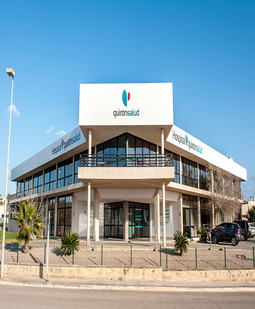
Quirón has an internationally prestigious medical staff, the largest in the sector, and is also the principal hospital network in terms of patient numbers and care facility area. The group administers 47 healthcare centers, more than 4.000 hospital beds and 8.000 doctors
An ISO certified modern private hospital, which was opened in 2006, and is part of the Quironsalud Hospital Group. This tertiary care hospital has certified medical specialties capable of treating the most complicated medical cases.
HM Hospitales is a hospital group with six private hospitals in Madrid: three general hospitals, a cardiovascular hospital, an oncological center and a women's health hospital.
PreciosTransmyocardial Revascularization a consultar
What is TMR (Transmyocardial Revascularization)?
Transmyocardial Revascularization (TMR) is a surgical procedure performed in the treatment of stable angina that cannot be treated with medication. TMR is used as a treatment only if conventional treatments like angioplasty or bypass surgery cannot be performed. Laser is used during the procedure to make channels in the left ventricle of the heart.
How is TMR Performed?
An antibacterial solution is applied on the left side of the chest.
A sedative is given through an intravenous line.
Electrocardiogram is performed to monitor the heart rate and blood pressure.
Once the anesthesia is administered, an incision is made on the left side of the chest.
Channels of about one millimeter in size are made in the left ventricle with the help of a special laser.
Bleeding of the channels is stopped by pressing on them gently.
How to Prepare for TMR?
The patient’s medical condition is reviewed by the doctor.
Cardiac catheterization is performed to view the coronary arteries and any blockages.
Echocardiogram is performed.
Positron Emission Tomography (PET) is performed to evaluate the function of the heart.
Other tests like Dobutamine Echocardiography and Cardiac MRI are also performed.
Acerca de Revascularización Transmiocárdica
Datos clave para planificar su tratamiento: cuánto dura, la estancia en el hospital, la anestesia, los riesgos y la recuperación.
Duración de la cirugía/tratamiento
1 to 2 hours
Días de hospitalización
4 to 7 days
Anestesia
General Anesthesia
Recuperación
- A complete recovery may take about three months.
- Some patient may experience immediate relief after TMR.
- The patient may still be required to take medications after TMR to improve blood flow.
- The patient should refrain from strenuous activities.
- Specific activity guidelines are given to the patient.
- The patient may need to undergo a cardiac rehabilitation program to help in recovery.
- The patient needs to meet the cardiologist frequently for follow up visits to monitor the progress after the TMR.

 Private Hospital
 ISOPrecio a consultar
 JCI