Información clave para planificar stent carotídeo en España.
$9,500 desdePrecio más bajo publicado
1–2 hDuración del procedimiento
1–3 díasEstancia hospitalaria
6 hospitalesOfrecen stent carotídeo
Stent Carotídeo en España aparece desde US$9,500 hasta US$12,000 en 6 hospitales. La operación dura 1 a 2 horas, con 1 a 3 días de hospitalización. Cada hospital cotiza su propio precio para su caso.
Precios actualizados en dic 2020
Costo de Stent Carotídeo en España
Tabla de precios por tipo de procedimiento, en US$. Cada hospital cotiza su propio precio para su caso.
Procedimiento
Precio mínimo
Precio máximo
Stent Carotídeo
$9,500
$12,000
Precio desde $9,500 hasta $12,000 · actualizado en dic 2020.Cada hospital cotiza el precio final
Hospitales y clínicas que ofrecen Stent Carotídeo en España
Stent Carotídeo aparece en 6 hospitales en España. El orden cambia cada hora para que todos tengan la misma visibilidad.
Our cardiac surgery service stands out from the rest because it includes all the diagnostic and therapeutic procedures currently available internationally.
Our professionals diagnose and treat babies, children and adolescents who present with congenital structural heart defects, arrhythmias and cardiac electric conduction disorders, and congenital or acquired heart pathologies.
HM Hospitales is a hospital group with six private hospitals in Madrid: three general hospitals, a cardiovascular hospital, an oncological center and a women's health hospital.
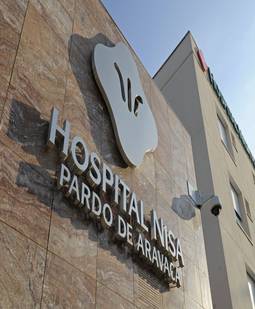
A modern (opened in 2007), general, private hospital located in Madrid, part of the NISA group of hospitals. The international patients department can assist patients with accomodation and trasportation, and can communicate in English as well as in Spanish.
What is Carotid Stenting?
Carotid artery stenting describes a procedure in which your surgeon inserts into your body a slimline, metal-mesh tube, called a stent, which expands inside your carotid artery to improve blood flow in areas blocked by plaque.
Where does the procedure take place?
Normally, the procedure is performed in an angiography suite or catheterization lab.
Who performs the Carotid Stenting procedure?
The procedure is carried out by a specially-trained vascular invasive physician or vascular surgeon, nurses and technicians.
How can you prepare for the procedure?
In most cases, your physician will tell you to take aspirin and a prescription medication that prevents clots for 3 to 5 days before the procedure.
You should also fast for six hours before your procedure.
Acerca de Stent Carotídeo
Datos clave para planificar su tratamiento: cuánto dura, la estancia en el hospital, la anestesia, los riesgos y la recuperación.
Duración de la cirugía/tratamiento
Carotid stenting normally takes between 1-2 hours, but in certain cases it may take longer.
Días de hospitalización
Your hospital stay will probably be between 1-3 days.
Recuperación
Your physician may probably instruct you not to lift anything too heavy after you return home, so as to avoid putting undue pressure on the incision.
You may also be informed not to take a bath for a few days (showers are normally fine), and to drink plenty of water to help flush out any remnant of the dye out of your system.
You will be advised to take blood thinning medications and also be scheduled for periodic follow-up examinations, to include carotid ultrasound examinations, to check on the function of your stent over a set period of time.
Riesgos
There are many factors that need to be taken into consideration. The risks are much dependent upon the severity of your disease, the location of the blockage, whether you’ve ever had a stroke before and the presence of other existing medical conditions.
Possible risks include:
- Irregular heart rhythm
- Allergic reaction to the medication or dye used during the procedure
- Bleeding at the catheter insertion site
- Stroke or death
Cuidados posteriores
To prevent hardening of the arteries from happening again, you should think about the following aftercare changes:
- Eat more foods low in saturated fat, cholesterol, and calories
- Exercise regularly, aerobic exercises such as walking
- Control and maintain your ideal body weight
- Stop smoking
- Follow any advise from your physician in regards to taking medications to control cholesterol and to thin the blood

 Private Hospital
 JCIPrecio a consultar

 ISO