Información clave para planificar radioterapia de intensidad modulada en Alemania.
$6,500 desdePrecio más bajo publicado
10–30 minDuración del procedimiento
4 hospitalesOfrecen radioterapia de intensidad modulada
Radioterapia de Intensidad Modulada en Alemania aparece desde US$6,500 hasta US$20,500 en 4 hospitales. La operación dura 10 a 30 minutos. Cada hospital cotiza su propio precio para su caso.
Precios actualizados en may 2017
Costo de Radioterapia de Intensidad Modulada en Alemania
Tabla de precios por tipo de procedimiento, en US$. Cada hospital cotiza su propio precio para su caso.
Procedimiento
Precio mínimo
Precio máximo
Radioterapia de Intensidad Modulada
$6,500
$20,500
Precio desde $6,500 hasta $20,500 · actualizado en may 2017.Cada hospital cotiza el precio final
Hospitales y clínicas que ofrecen Radioterapia de Intensidad Modulada en Alemania
Radioterapia de Intensidad Modulada aparece en 4 hospitales en Alemania. El orden cambia cada hora para que todos tengan la misma visibilidad.
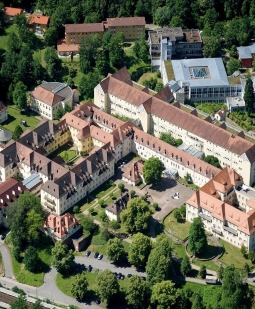
One of Germany's largest hospitals, made up of more than 50 clinics and specialist institutes spanning all medical specialties. Kinikum Stuttgart is regarded as one of the best hospitals in Germany, and is a referral center for oncology, ENT, pediatrics and more.
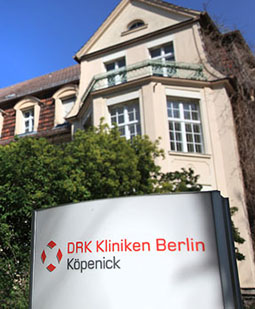
The DRK Kliniken Berlin is a chain of five JCI accredited tertiary care hospitals in Berlin. The international department is experienced in handling foreign patients and can assist with all necessary arrangements.
PreciosIntensity Modulated Radiation Therapy a consultar
Heidelberg University Hospital is one of Europe`s leading medical centers. World-renowned experts provide comprehensive care of the highest international standards in all medical specialties.
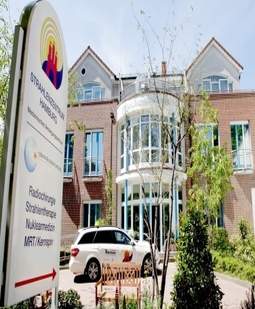
CyberKnife Center of Hamburg has an excellent track record for cancer treatment with the use of high technology. Among others, they specialize in CyberKnife radiosurgery, radiation oncology, stereotactic radiotherapy, diagnostic radiology.
Descripción de Radioterapia de Intensidad Modulada:
What is Intensity Modulated Radiation Therapy (IMRT)?
Intensity Modulated Radiation Therapy (IMRT) is an advanced radiation therapy that uses high precision techniques for reducing the damage to healthy tissues. A computerized plan is organized by the doctor to determine the accurate amount of radiation to be aimed at the cancer growth. The computer helps in determining the exact location, size, and shape of the cancer in order to determine the amount of radiation required to eliminate the cancer cells. A high dose of radiation is used on the cancer cells, while radiation to the healthy cells is minimized.
Since high and effective radiation can be delivered to cancer tumors without causing harm to normal tissues, the side effects of IMRT are minimised compared to conventional radiotherapy methods.
What types of cancer are treated by IMRT?
IMRT is mostly used in the treatment of cancers of the prostate, head and neck, and central nervous system.
Additionally, IMRT is also used in some cases of lung, breast, thyroid, gynecologic, and gastrointestinal malignancies along with several kinds of sarcomas.
How to Prepare for IMRT?
The patient’s physical evaluation and review of medical history will be performed.
A treatment simulation session will be conducted a week before the IMRT session. During simulation, CT scans will be performed. With this procedure a three-dimensional shape of the tumor and normal tissues are specified.
The information derived from the CT scan is used to design the beams used in the IMRT treatment.
Some patients may require a special device to help the patient retain an accurate position during the IMRT procedure. For this a treatment preparation session may be required.
Positron Emission Tomography (PET) and Magnetic Resonance Imaging (MRI) may also be required to determine the exact location of the tumor.
Colored ink markings are made on the patient’s skin to aid the alignment and target of the IMRT machine.
How is IMRT Performed?
The patient needs to lie down on the treatment table.
Marks made on the patient’s skin will help to determine the location where the treatment is required.
Special shields may be used to block the machine from certain body parts, which help in protecting the healthy tissues.
The patient is required to stay still during the IMRT to ensure the accuracy of the radiation.
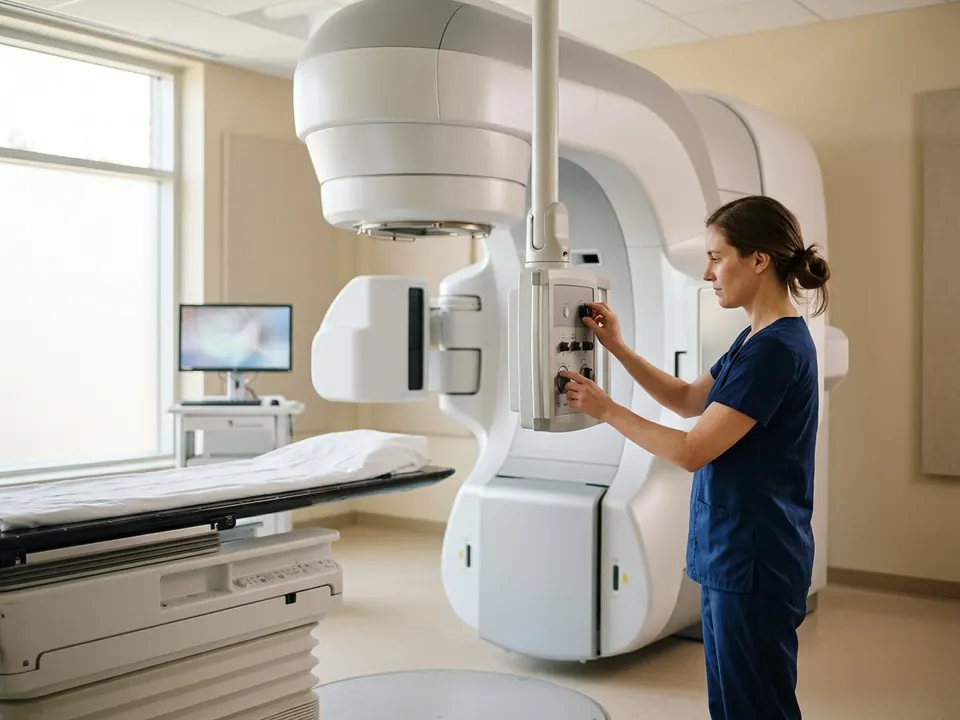
The radiation machine is operated from another area near the treatment room.
The radiation therapist will observe the patient on a display monitor or through a window.
The machine will move around the patient’s body to give radiation from different angles.
The patient may need to change the position from time to time during the procedure.
Acerca de Radioterapia de Intensidad Modulada
Datos clave para planificar su tratamiento: cuánto dura, la estancia en el hospital, la anestesia, los riesgos y la recuperación.
Duración de la cirugía/tratamiento
Each IMRT session lasts for 10 to 30 minutes.
Número de sesiones necesarias
The number of sessions required depends upon the size of the cancer and the general health of the patient.
The sessions are usually done five days a week, for four to eight weeks.
Días de hospitalización
IMRT is performed as an outpatient procedure.
Recuperación
- The patient can perform regular activities after the treatment sessions.
- IMRT does not cause a patient to become radioactive, therefore precautionary measures to maintain distance from other people are not required.
Riesgos
There are early and late side effects. Early side effects occur immediately after the treatment and last for a few weeks.
The early side effects are as follows:
- Fatigue
- Skin sensitivity, redness, irritation or swelling
- Skin dryness, peeling, itching and blistering
- Hair loss
- Problems while swallowing
- Difficulty in eating and digestion
- Nausea and vomiting
- Diarrhea
- Headaches
- Urinary problems
- Swelling and soreness at the treatment site
Late side effects are rare and occur months or years after the IMRT procedure. They are as follows:
- Problems related to the brain, spinal cord, lungs, kidney, colon, rectum, joints and mouth
- Infertility
- Lyphedema
- Secondary cancer
Cuidados posteriores
The patient should contact the doctor if the following symptoms occur:
- Pain that does not become less
- Lumps or swelling in the body
- Unusual weight loss
- Fever and cough that does not cure
- Diarrhea, vomiting, nausea and appetite loss
- Rashes and bruises
- Any other symptoms of sickness
 Public Hospital
 ISOPrecio a consultar
 JCI