Información clave para planificar cabg en Alemania.
$33,000 desdePrecio más bajo publicado
3–5 hDuración del procedimiento
5 hospitalesOfrecen cabg
CABG en Alemania aparece desde US$33,000 hasta US$55,000 en 5 hospitales. La operación dura 3 a 5 horas. Cada hospital cotiza su propio precio para su caso.
Precios actualizados en jul 2012
Costo de CABG en Alemania
Tabla de precios por tipo de procedimiento, en US$. Cada hospital cotiza su propio precio para su caso.
Procedimiento
Precio mínimo
Precio máximo
CABG
$33,000
$55,000
Precio desde $33,000 hasta $55,000 · actualizado en jul 2012.Cada hospital cotiza el precio final
Hospitales y clínicas que ofrecen CABG en Alemania
CABG aparece en 5 hospitales en Alemania. El orden cambia cada hora para que todos tengan la misma visibilidad.
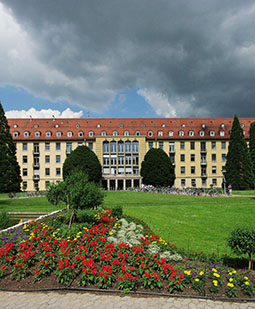
The University Medical Center Freiburg is one of the largest medical facilities in Europe and part of the Albert Ludwigs University Freiburg, one of five outstanding centers of academic excellency in Germany.
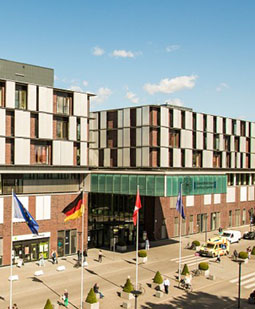
Established in 1884, the University Medical Center Hamburg-Eppendorf underwent full modernization in 2009 and emerged as the most innovative European hospital. Its dedicated International Office supports roundabout 1,000 foreign patients a year.
One of Germany's largest hospitals, made up of more than 50 clinics and specialist institutes spanning all medical specialties. Kinikum Stuttgart is regarded as one of the best hospitals in Germany, and is a referral center for oncology, ENT, pediatrics and more.
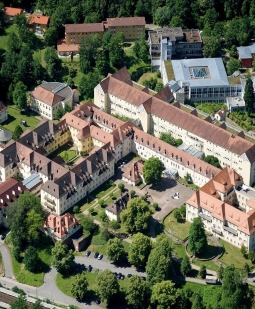
Heidelberg University Hospital is one of Europe`s leading medical centers. World-renowned experts provide comprehensive care of the highest international standards in all medical specialties.
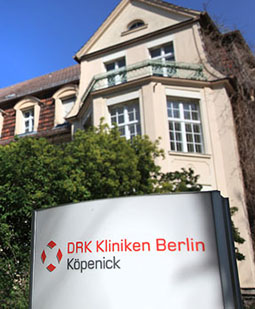
The DRK Kliniken Berlin is a chain of five JCI accredited tertiary care hospitals in Berlin. The international department is experienced in handling foreign patients and can assist with all necessary arrangements.
What is Coronary Artery Bypass Graft (CABG)?
Coronary artery bypass graft or CABG is a surgical procedure whereby a surgeon takes a vein or artery from a patient's chest, leg or arm and grafts it on to the blocked artery. This results in normal blood flow to the heart muscles.
What types of surgery are available?
Minimal Invasive Coronary Artery Bypass Surgery
For some patients, minimal invasive coronary artery bypass surgery may be an option. During this surgery, smaller chest and graft removal incisions are used. This enhances the recovery rate and lessens the risk of infection.
Off-pump Bypass Surgery
This is also know as 'beating heart surgery', and is carried out whilst the heart is still beating. The surgeon utilizes state-of-the-art equipment to stabilize sections of the heart and blocked artery, whilst the rest of the heart continues its normal function.
Acerca de CABG
Datos clave para planificar su tratamiento: cuánto dura, la estancia en el hospital, la anestesia, los riesgos y la recuperación.
Duración de la cirugía/tratamiento
CABG surgery normally takes from 3 to 5 hours.
Días de hospitalización
If your CABG surgery has been planned, you may be admitted into the hospital the morning or afternoon before your surgery. On average, the hospital stay after a coronary artery bypass surgery is between five to seven days.
Anestesia
General anesthesia.
Recuperación
Recovery time varies from person to person. However, normally, patients recovering from CABG surgery can take between 6 to 12 weeks. Less recovery time is required for minimal invasive heart surgery and off-pump heart surgery.
For the first four weeks, it is advisable not to drive. Strenuous activity should be avoided. Patients can resume normal sexual activity, but should refrain from positions that may put to much strain on the chest or upper arms. Normally, you may return to work around six weeks after recovery or sooner if your job is non-strenuous.
Riesgos
In general, the mortality connected to CABG is 3-4%. Heart attacks take place in 5-10% of patients, either before or after CABG surgery. And strokes account for 1-2% of cases, normally in elderly patients.
Mortality and various complications are heightened in the following cases:
- Age (70 years and older)
- Diabetes
- Chronic lung disease and kidney failure
- Disease blocking the left main coronary artery
Cuidados posteriores
The incision should be kept dry and clean and protected from bumps and scratches.
Swelling or aching in the legs may be experienced. Support stockings may need to be worn to help reduce the swelling. And walking daily will help improve circulation and lesson swelling.
The patient may also need to make lifestyle changes that may include: giving up smoking, weight control, dietary changes, participate in a monitored exercise program supervised by a professional, take prescribed medicine, follow-up visits to health care provider.

 University Hospital
 ISO

 JCI