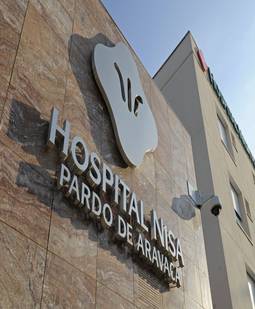
A modern (opened in 2007), general, private hospital located in Madrid, part of the NISA group of hospitals. The international patients department can assist patients with accomodation and trasportation, and can communicate in English as well as in Spanish.
Our team of professionals is specialized in Orthopaedic Surgery and Traumatology. With an extensive experience, we will study your particular case and will give you the best surgical and recovery solution. We use the most innovate technics in order to provide our patients with the best solution.
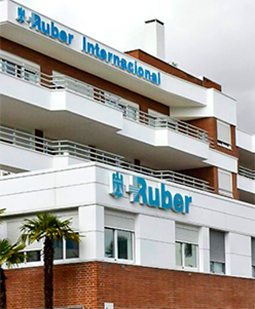
Hospital Ruber Internacional provides advanced care for every musculoskeletal condition, from complex fractures and sports injuries to spinal deformities, such as scoliosis, and neuromuscular disorders, such as cerebral palsy.
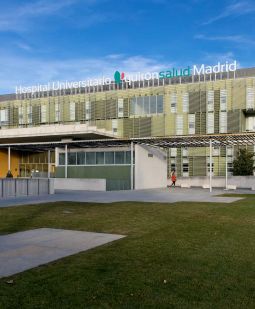
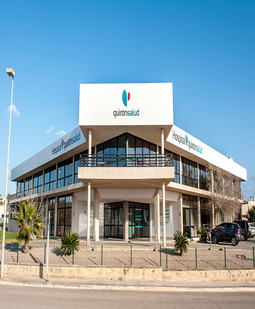
An ISO certified modern private hospital, which was opened in 2006, and is part of the Quironsalud Hospital Group. This tertiary care hospital has certified medical specialties capable of treating the most complicated medical cases.
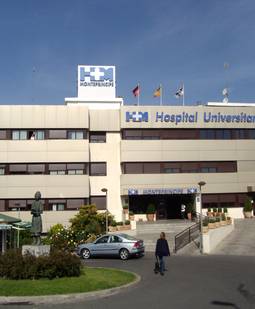
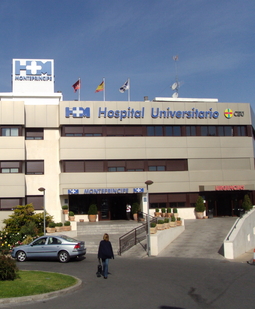
HM Hospitales is a hospital group with six private hospitals in Madrid: three general hospitals, a cardiovascular hospital, an oncological center and a women's health hospital.
Our department is one of the most qualified orthopaedic programs and fully equipped to treat each and every orthopaedic and rheumatologic condition, injury, or disorder.
Some of the major achievements of Quirónsalud specialists include surgery for total wrist replacement and use of AI and virtual reality for surgical procedures to correct bowleggedness.
The skin overlying the injured tendon is cleansed using an antiseptic solution.
An incision is made over the injured tendon.
Once the tendon is located, the damaged ends of the tendon are sutured together.
In case of severe damage, a tendon graft is used by taking a part of tendon from any other part of the patient's body.
The tendon graft is then used to repair the severely injured tendon.
Connective tissues around the tendons may be reattached if required.
The incision is closed with stitches and covered with a bandage.
How to Prepare for Tendon Repair Surgery?
The patient is physically examined to ensure that the patient is in a good condition to undergo surgery.
The patient's affected joint is studied using radiographs and other imaging tests.
Some joint fluid may be withdrawn using a needle, which is tested for any signs of infection, bleeding, and arthritis.
The doctor should be informed about any medication that the patient is taking with or without a prescription. These may include supplements or herbs or drugs.
Certain medication that the patient is taking may be stopped two weeks before the surgery.
The doctor should be informed if the patient has any ailments or medical conditions.
The patient must stop smoking to ensure a quick recovery.
An anesthesiologist will interview the patient to determine the appropriate anesthesia for the patient.
Acerca de Cirugía de Reparación de Tendones
Datos clave para planificar su tratamiento: cuánto dura, la estancia en el hospital, la anestesia, los riesgos y la recuperación.
Días de hospitalización
Tendon repair surgery is done as an outpatient procedure.
Anestesia
Local, regional or general anesthesia is used, depending on the severity and location of the injury.
Recuperación
- A cast or splint may be used to support the healing of the tendon for about 6 weeks.
- Depending on the location and severity of the tendon damage, the patient may need to rest the affected tendon.
- Medication may be prescribed by the doctor to control pain.
- The patient may recover to be able to resume light activities within a few days.
Riesgos
Risks of surgery include:
- Scar tissue formation that prevents smooth movements
- Injury to the nerves and other blood vessels
- Partial dysfunction of the affected joint
- Joint stiffness
- Bleeding
- Blood clotting
- Infection
Cuidados posteriores
- The surgical bandages should be kept clean and dry. It should be covered while the patient is bathing.
- Medication should be taken according to the doctor’s orders.
- If patients are taking narcotic medicines, they should not drive.
- The patient should undergo physical therapy to help in recovery.
The doctor should be informed immediately if the following symptoms occur:
- High fever
- Signs of infection like redness, swelling, and drainage from the incision site.

 Private Hospital
 ISOPrecio a consultar
 JCI