Información clave para planificar cirugía de facoemulsificación en España.
$2,400 desdePrecio más bajo publicado
20 minDuración del procedimiento
5 hospitalesOfrecen cirugía de facoemulsificación
Cirugía de Facoemulsificación en Madrid aparece desde US$2,400 hasta US$5,300 en 5 hospitales. La operación dura 20 minutos. Cada hospital cotiza su propio precio para su caso.
Precios actualizados en sept 2020
Costo de Cirugía de Facoemulsificación en España
Tabla de precios por tipo de procedimiento, en US$. Cada hospital cotiza su propio precio para su caso.
Procedimiento
Precio mínimo
Precio máximo
Cirugía de Facoemulsificación
$2,400
$5,300
Precio desde $2,400 hasta $5,300 · actualizado en sept 2020.Cada hospital cotiza el precio final
Hospitales y clínicas que ofrecen Cirugía de Facoemulsificación en Madrid
Cirugía de Facoemulsificación aparece en 5 hospitales en Madrid. El orden cambia cada hora para que todos tengan la misma visibilidad.
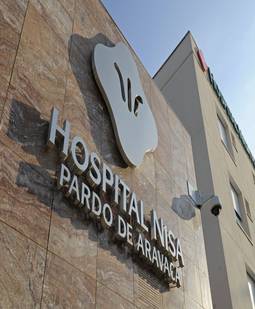
A modern (opened in 2007), general, private hospital located in Madrid, part of the NISA group of hospitals. The international patients department can assist patients with accomodation and trasportation, and can communicate in English as well as in Spanish.
The ophthalmology department specializes particularly in retinal and vitreous disease and actively performs advanced, high-quality treatment for diseases such as age- related macular degeneration, diabetic retinopathy, and retinal detachment.
An ISO certified modern private hospital, which was opened in 2006, and is part of the Quironsalud Hospital Group. This tertiary care hospital has certified medical specialties capable of treating the most complicated medical cases.
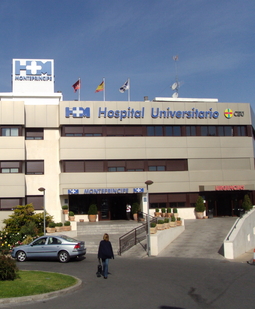
HM Hospitales is a hospital group with six private hospitals in Madrid: three general hospitals, a cardiovascular hospital, an oncological center and a women's health hospital.
What is Phacoemulsification Surgery?
Phacoemulsification surgery is a procedure to remove a cataract from the lens in the eye. Cataracts are cloudy parts in the eye’s lens and phacoemulsification uses ultrasound to remove them, as well as to remove the front part of the lens capsule. Often an intraocular lens will be implanted in order to compensate for the removal of the natural lens.
How is Phacoemulsification Surgery carried out?
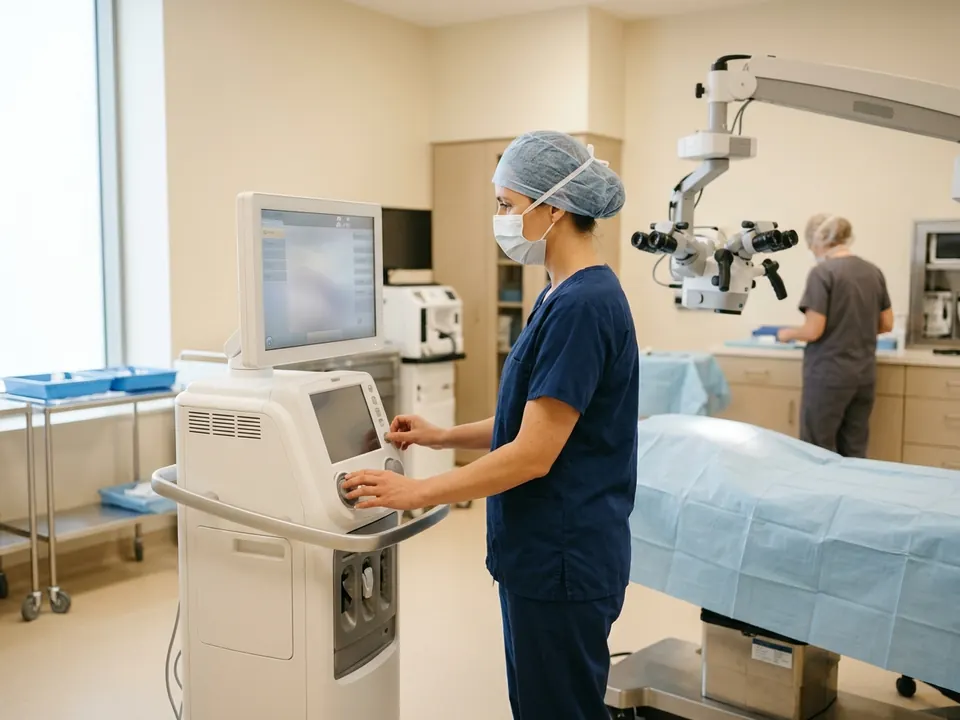
The surgeon makes two small cuts in the eye and creates a circular opening on the surface. Sound waves (ultrasound) through a special instrument destroy the cataract. The cataract and lens particles are removed using suction. The surgeon will then normally place an intraocular lens implant into the lens capsule.
What are the chances of success with Phacoemulsification Surgery?
According to the BMJ, phacoemulsification surgery works better than extracapsular cataract extraction (ECCE) to improve sight.
According to the American Academy of Ophthalmology (2006), 95 percent of adults were satisfied with the results of the surgery.
How popular is this type of surgery?
Phacoemulsification surgery is the most popular type of cataract surgery, according to WebMD.
Phacoemulsification surgery is preferred over extracapsular surgery because it can be completed more quickly, recovery of sight after the surgery is quicker, the healing process is quicker and there is a lower risk of complications.
Acerca de Cirugía de Facoemulsificación
Datos clave para planificar su tratamiento: cuánto dura, la estancia en el hospital, la anestesia, los riesgos y la recuperación.
Duración de la cirugía/tratamiento
The procedure takes around 20 minutes.
Número de sesiones necesarias
Usually only one eye at a time is worked on with Phacoemulsification, so if you need both eyes operated, it will usually require 2 sessions.
Días de hospitalización
None. Phaco surgery takes place on an outpatient basis.
Anestesia
Local anesthesia with a sedative if needed.
Recuperación
Patients should rest for 24 hours following phaco surgery but can return to work the next day.
Riesgos
According to the American Academy of Ophthalmology (2006), less than 5 percent of people suffer serious complications following phacoemulsification surgery.
Risks include:
- Eye infection.
- Swelling or fluid in the eye.
- Bleeding in the eye.
- Retinal detachment.
- Glaucoma.
- Astigmatism.
- Secondary cataract.
Cuidados posteriores
- You may wear a bandage for one night following phaco surgery.
- At night, wear a protective shield over the eye for a week after the procedure.
- You may experience some vision changes for a short time after the procedure.
- Use prescribed eye drops for a month following phacoemulsification surgery.
 Private Hospital
 ISOPrecio a consultar