The Rehabilitation and Physical Medicine Department seeks to prevent, diagnose and treat disability in children and adolescents. Our team is made up of various rehabilitation specialists, and we engage in coordinated efforts and simultaneous multidisciplinary collaboration with experts.
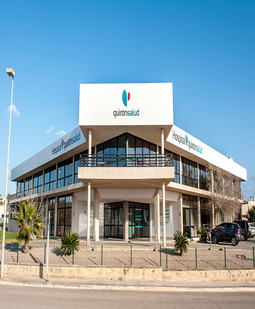
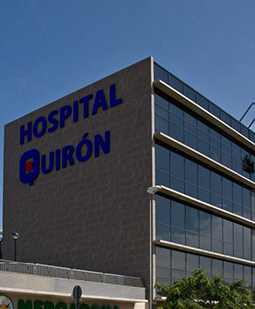
With more than 36 medical specialties, 200 physicians and surgeons of the highest level, Quironsalud Hospital Malaga is one of the most pertinent hospitals in Spain.
An ISO certified modern private hospital, which was opened in 2006, and is part of the Quironsalud Hospital Group. This tertiary care hospital has certified medical specialties capable of treating the most complicated medical cases.
Hospital Clínic Costa Brava is a modern medical facility with over 250 medical specialists, offering medical, surgical, aesthetic, cosmetic and rehabilitation treatments in the relaxing tourism town of Palamos, Costa Brava.
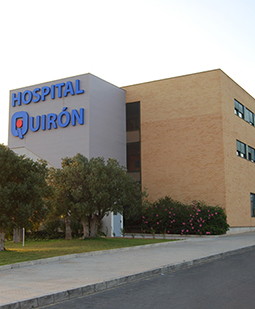
Quirón has an internationally prestigious medical staff, the largest in the sector, and is also the principal hospital network in terms of patient numbers and care facility area. The group administers 47 healthcare centers, more than 4.000 hospital beds and 8.000 doctors
The Department of Rehabilitation Sciences consists of four research groups, each contributing to the scientific knowledge in specific rehabilitation areas.
Quironsalud Hospital Torrevieja is an ISO-certified private hospital located in the north of Torrevieja, championing excellence in cancer treatment and management. IMTJ Best International Hospital of the world (awards 2017)
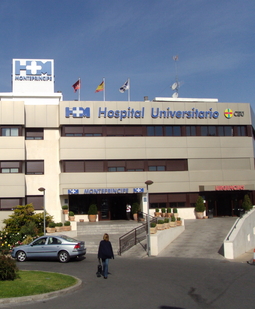
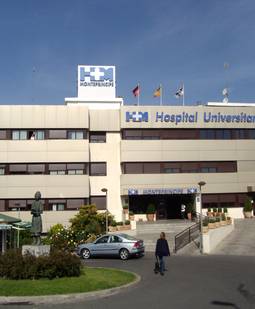
HM Hospitales is a hospital group with six private hospitals in Madrid: three general hospitals, a cardiovascular hospital, an oncological center and a women's health hospital.
It is a subspecialty of medicine that focuses on diagnosing treating and managing physical impairments in infants, children, and adolescents.
What are the benefits of pediatric physical therapy?
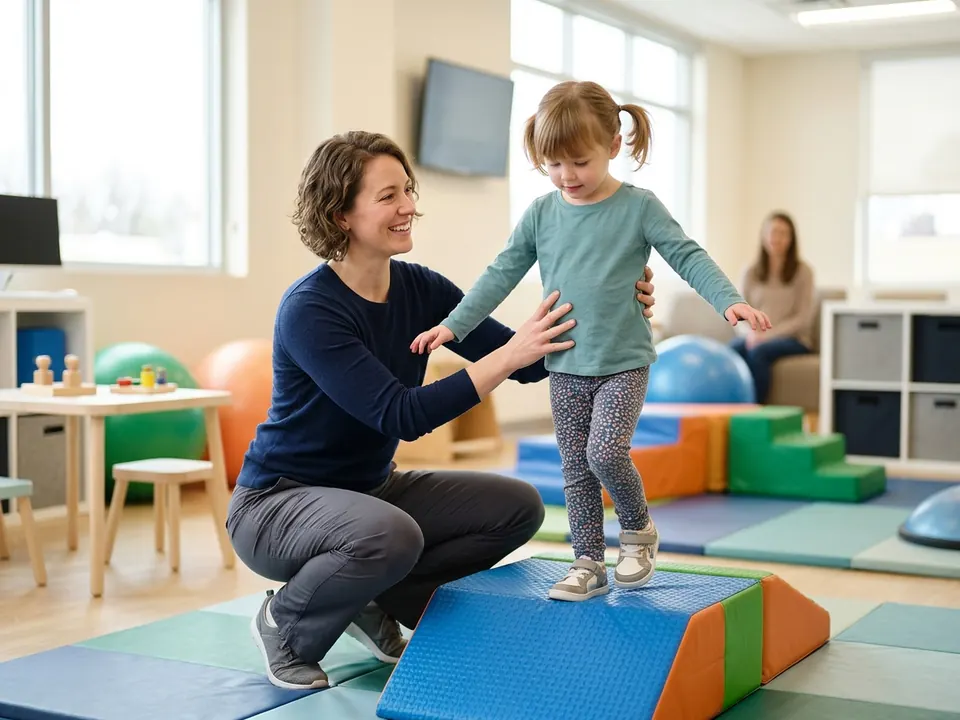
Pediatric physical therapists normally work with children to help them reach their potential in independently functioning.
They involve the family in the child’s care so as to promote participation in school, community, and home activities.
They apply clinical reasoning in diagnosing and treating your child.
They promote the overall well being of your child through various support programs
They consult with the family, medical, developmental and rehabilitation specialists
They facilitate motor development and function to enable the child has functional independence
They ease the challenges of daily caregiving
They improve the strength and endurance of the child
How is pediatric physical therapy different from regular physical therapy?
Pediatric physical therapy deals with treatment issues about children. The doctors have special skills and training in how to communicate and interact with the young ones. Pediatric physical therapists incorporate knowledge from several disciplines such as orthopedic, neurological and developmental.
Children often do not understand why they need the physical therapy. Family involvement and trained pediatric physical therapists smooth out the process and make the healing process as fun and interactive as possible.
Pediatric physical therapy focuses on improving lower extremity function, core stability, and motor ability. Because every child is different, the pediatric physical therapists create tailored programs which are based on prior evaluation and practices based on evidence.
The medical team includes:
Pediatricians
Pediatric Physiatrist
Pediatric Physical Therapist
Pediatric Orthopedic Surgeon
Pediatric Occupational Therapist
Other resource staff includes:
Pediatric Neurosurgeon
Pediatric Dentist
Pediatric Plastic Surgeon
Pediatric Neurologist
Pediatric Ophthalmologist
Pediatric Urologist
Pediatric Occupational Therapist
Genetic Counseling
School Liaison Nutritionist
Pediatric Speech Therapist
Rehabilitation Engineering
Psychoeducational Specialist
Certified Registered Nurse Practitioners
Nursing and in home care
Social and case workers
Vocational Rehab Counselor
Conditions treated by pediatric physical therapists include:
Delayed development
Genetic conditions
Plagiocephaly and/or torticollis
Balance and coordination disorders
Sports injuries
Lower extremity or post-trauma surgery
Hip disorders such as hip dysplasia
Neurological impairments related to conditions such as spina bifida, cerebral palsy, osteogenesis imperfecta
Pediatric physical therapy treatments include:
Plyometrics: These are exercises which involve short and energetic movements that aim to increase speed and strength
Kinesiotaping: This aims at reeducating the neuromuscular system, minimizing pain, reducing edema, prevention of injury, improvement of circulation and healing and optimizing performance.
Theratog: This is a garment system which focuses on alignment guidance outside of typical therapy sessions gentle and progressive muscle support.
Neurodevelopmental Treatment
Motor control and learning
Electrical Stimulation
Gait training
Supported weight bearing
Strengthening and neuromuscular re-education
Aquatic therapy
Manual therapy
The family’s role
The parents and family have an important role to play in their child’s growth and development. The pediatric physical therapist works with the family to implement a tailored program to help the child with their impairments. This includes:
Adapting toys for playtime
Developing daily activities and routines
Using equipment effectively with the child
Helping the child transition from early childhood to school
Acerca de Terapia Física Pediátrica
Datos clave para planificar su tratamiento: cuánto dura, la estancia en el hospital, la anestesia, los riesgos y la recuperación.
Recuperación
Información próximamente. Pida una consulta para recibir orientación personalizada sobre la recuperación. Pedir presupuesto →
Cuidados posteriores
Información próximamente. Pida una consulta para recibir orientación personalizada sobre la recuperación. Pedir presupuesto →
 Children Hospital
 ISOPrecio a consultar
 JCI