Información clave para planificar cistoscopia en Singapur.
$260 desdePrecio más bajo publicado
20 minDuración del procedimiento
7 hospitalesOfrecen cistoscopia
Cistoscopia en Singapur aparece desde US$260 hasta US$300 en 7 hospitales. La operación dura 20 minutos. Cada hospital cotiza su propio precio para su caso.
Precios actualizados en mar 2010
Costo de Cistoscopia en Singapur
Tabla de precios por tipo de procedimiento, en US$. Cada hospital cotiza su propio precio para su caso.
Procedimiento
Precio mínimo
Precio máximo
Cistoscopia
$260
$300
Precio desde $260 hasta $300 · actualizado en mar 2010.Cada hospital cotiza el precio final
Hospitales y clínicas que ofrecen Cistoscopia en Singapur
Cistoscopia aparece en 7 hospitales en Singapur. El orden cambia cada hora para que todos tengan la misma visibilidad.
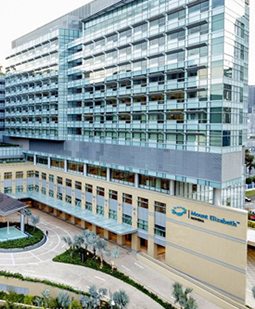
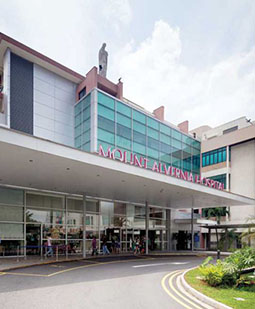
A full service private hospital offering a comprehensive range of specialist services by a team of 200 physicians. 35-40% of the patients are foreigners, and there is a dedicated department for handling medical tourists.
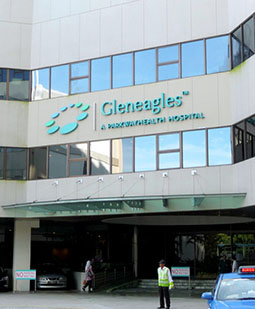
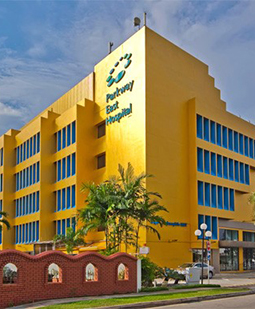
The community of women and children deserve only the highest quality of family-focused and coordinated care. The customised treatment we provide each individual includes medication and lifestyle advice delivered in a supportive and calming environment.
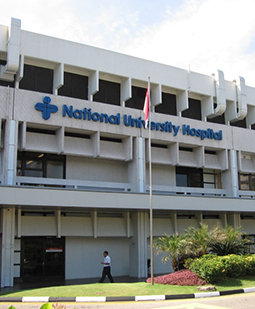
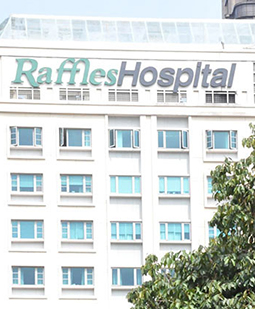
A 928 bed teaching hospital offering a full range of medical, surgical and diagnostic services. NUH serves as a refferal center for cancer patients, pediatrics, cardiology and other specialties.
What is Cystoscopy?
Cystoscopy is a procedure in which the bladder is examined using a cystoscope. Cystoscopy is performed by a urologist or a urologic surgeon.
Cystoscopy is usually done to identify abnormalities in the bladder. It is also performed during surgeries of the urinary tract. During a cystoscopy, the urethra, prostrate, bladder, and ureters are examined.
If abnormalities are discovered during cystoscopy, surgery can be performed. Cancer, urinary tract disorders, infection and causes of pain during urination may be diagnosed during cystoscopy.
How is Cystoscopy Performed?
A cystoscope is used to perform cystoscopy. The cystoscope is a special endoscopic tube with a tiny camera attached to the end. Cystoscopes may be rigid or flexible. The doctor will determine which type of cystoscope to use depending on the purpose of the cystoscopy. The urethra is cleansed first. Then, medicine is applied to numb the lining inside the urethra. The cystoscope is then inserted into the bladder through the urethra. Water or saline water is filled in the bladder through the cystoscope. The patient is then asked to express the feeling, through which the patient’s condition is known. The bladder wall is stretched when the fluid fills the bladder. When this happens, the patient may feel the urge to urinate. However, the bladder should remain full through out the examination. Abnormal tissues are extracted through the cystoscope and sent for lab analysis.
How to Prepare for Cystoscopy?
The doctor should be informed if the patient is:
Allergic to any medicines and anesthesia.
Suffering from any ailments or medical conditions, including pregnancy.
Taking any medication
Arrangements should be made for someone to drive the patient home
The patient may be given medication to prevent a urinary tract infection that may result after cystoscopy.
Acerca de Cistoscopia
Datos clave para planificar su tratamiento: cuánto dura, la estancia en el hospital, la anestesia, los riesgos y la recuperación.
Duración de la cirugía/tratamiento
Approximately 20 minutes
Días de hospitalización
Cystoscopy is usually done as an outpatient procedure.
Anestesia
The procedure is usually done under local anesthesia. General or spinal anesthesia is administered if required.
Recuperación
- The patient may have blood in the urine and experience a burning sensation while urinating for a couple of days after the surgery.
- The patient is required to drink plenty of fluids to help alleviate the burning sensation and avoid a urinary tract infection.
- The urine is slightly pink in color many days after cystoscopy.
Riesgos
The risks involved in cystoscopy are:
- Excessive bleeding
- Infection of the bladder
- Bladder wall rupture
Cuidados posteriores
- The patient is required to drink 4 to 6 glasses of water per day after the cystoscopy.
The patient should contact the doctor if the following symptoms of infection occur:
- Fever
- Chills
- Pain
- Urine
- Decrease in urine output
- Dribbling of urine
- Lower abdominal pain and discomfort.
- Excessive bleeding
- Testicular pain

 Private Hospital
 JCI
 ISO