Información clave para planificar marcapasos en Singapur.
$9,800 desdePrecio más bajo publicado
3 hDuración del procedimiento
6 hospitalesOfrecen marcapasos
Marcapasos en Singapur aparece desde US$9,800 hasta US$19,500 en 6 hospitales. La operación dura 3 horas. Cada hospital cotiza su propio precio para su caso.
Precios actualizados en nov 2026
Costo de Marcapasos en Singapur
Tabla de precios por tipo de procedimiento, en US$. Cada hospital cotiza su propio precio para su caso.
Procedimiento
Precio mínimo
Precio máximo
Marcapasos
$9,800
$19,500
Precio desde $9,800 hasta $19,500 · actualizado en nov 2026.Cada hospital cotiza el precio final
Hospitales y clínicas que ofrecen Marcapasos en Singapur
Marcapasos aparece en 6 hospitales en Singapur. El orden cambia cada hora para que todos tengan la misma visibilidad.
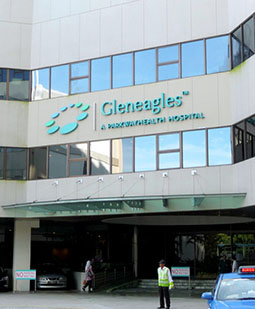
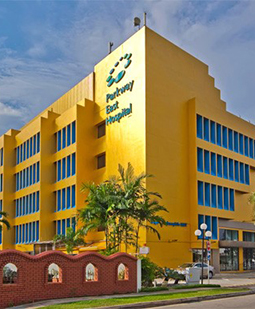
A full service private hospital offering a comprehensive range of specialist services by a team of 200 physicians. 35-40% of the patients are foreigners, and there is a dedicated department for handling medical tourists.
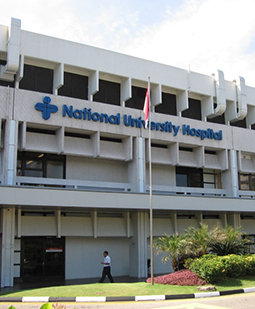
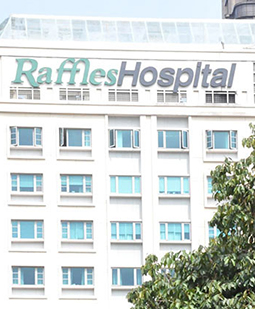
A 928 bed teaching hospital offering a full range of medical, surgical and diagnostic services. NUH serves as a refferal center for cancer patients, pediatrics, cardiology and other specialties.
What is a Pacemaker Implant?
A pacemaker implant is a procedure to insert a small, battery-operated device called a pacemaker into your chest. This assists your heart to beat regularly.
What are the different types of Pacemaker Implant treatments?
Endocardial approach.
This is the traditional procedure commonly used. An incision is made in the chest for the leads and pacemaker to be inserted. The lead(s) is carefully placed into the incision and into a vein, then guided to the heart. The tip of the lead is attached to the heart muscle, whilst the other end is inserted into a pocket created under the skin in the upper chest.
Epicardial approach.
This procedure is more commonly used with children. The surgeon attaches the tip of the lead to the heart muscle, whilst the other end is placed in a pocket created underneath the skin in the abdomen.
How Long Will My Pacemaker Last
Pacemakers can usually last between four to eight years. Your pacemaker will need to be replaced, once the the battery becomes low.
Acerca de Marcapasos
Datos clave para planificar su tratamiento: cuánto dura, la estancia en el hospital, la anestesia, los riesgos y la recuperación.
Duración de la cirugía/tratamiento
Normally, surgery can take up to 3 hours.
Días de hospitalización
Generally, you will be allowed to go home after one or two days.
Anestesia
Local Anesthesia
Recuperación
Try to ensure that your wound is kept clean and dry. After around five days, you may take a shower.
Avoid lifting heavy objects and activities that require pushing or pulling heavy objects. For six weeks after the procedure, stay clear of vigorous activity such as golfing, tennis, and swimming. Try to walk as much as possible for exercise.
Normally, you can resume work within a week after you go home.
Riesgos
Risks related to a pacemaker implant could include:
- Infection.
- There is a minor risk that one of the leads may get dislodged. That is the reason you are advised to avoid strenuous exercise for a few weeks after the procedure.
- Internal bleeding
- Hemorrhage
Cuidados posteriores
A check of your pacemaker should be done six weeks after your pacemaker is implanted. This follow-up appointment is important, due to the fact that adjustments will be executed that will extend the life of your pacemaker.
After that, your pacemaker should be checked every three months on the telephone to assess battery function.
A complete examination will be required once a year at a hospital or doctor's office.
Be aware that the following items could interfere with the functioning of your pacemaker:
- A cell phone. This should be used on the side that is opposite to where the pacemaker was implanted.
- Strong electric or magnetic fields, such as: some industrial equipment; high intensity radio waves ; and arc resistance welders.
Avoid any tests that require magnetic resonance imaging (MRI).
 Private Hospital
 JCI
 ISO