Key planning information for this type of prostatectomy in Thailand.
On requestQuoted per case
2 hospitalsList Prostatectomy
Radical robotic prostatectomy in Thailand is priced per case; 2 hospitals in Thailand list Prostatectomy. Each hospital quotes its own price for your case.
About this procedure
What is Radical robotic prostatectomy ? Surgical procedure that involves the removal of the prostate gland, which may or may not be associated with the removal of the lymph nodes in the pelvis) assisted by a Da Vinci robotic surgery system. This surgical procedure is indicated in patients with prostate cancer.
How is Radical robotic prostatectomy performed? How the procedure is performed: radical prostatectomy involves the removal of the prostate gland and seminal vesicles, ending with the junction (anastomosis) between the bladder and the urethra. For this, access to the abdominal and pelvic cavity is made through small incisions (8-10mm) through which the trocars and articulated arms of the robotic system are inserted. The robotic console surgeon and the assistant surgeon perform the intervention with the advantages of 3D vision, 10x magnified vision and the fine precision of movements provided by the robot.
Author: Dr. Vital Hevia Posted: 30 August 2019 at 09:04 CET Last Updated: 30 August 2019 at 09:32 CET
Key facts to plan your treatment: how long it takes, your hospital stay, anaesthesia, risks and recovery.
Duration of surgery/treatment
2.5-3.5 hours.
Days admitted
Between 2-4 days hospitalized and 7-10 days with catheter.
Days of Stay in the Country: 10-15 days.
Anesthesia
General anesthesia
Recovery
Robotic surgery offers oncological results similar to those of classical open surgery in prostate cancer. However, its main benefit lies in the excellent functional results that it allows to achieve in the hands of experienced surgeons: lower rates of urinary incontinence and erectile dysfunction, as well as a faster postoperative functional recovery.
Risks
Risks of anesthesia include:
- Breathing difficulty
- Allergic reaction to medication
Risks of any surgery include:
- Bleeding
- Blood clotting
- Infection
Risks of prostatectomy include:
- Urinary Incontinence
- Impotence
- Rectal injury
- Bowel incontinence
- Urethral stricture, in which the urinary outlet is tightened due to scar tissue
For prostatectomy in general
After care
- To prevent pneumonia, the patient may be required to use an incentive spirometer that helps in deep breathing.
- To prevent blood clots the patient needs to walk and do some leg exercises.
- The patient may be allowed to take liquid diet after the surgery and later solid food is allowed.
- The patient can take sponge baths before the dressings are removed.
- After the dressings are removed, the patient may start taking showers.
- The incision area should not be scrubbed while bathing.
- The patient should avoid lifting heavy objects for three weeks after the surgery.
- The patient can do some light physical exercises such as walking and jogging.
- Abdominal exercises and cycling should not be done for six weeks after the surgery.
- Once the catheter is removed, the patient can start driving.
- The catheter should be cleaned twice a day and the urine bag should be emptied frequently. The bag should be placed in a level that is lower than the patients’ bladder.
- The doctor will teach the patient how to do some exercises to strengthen the bladder muscles, which helps in managing incontinence. If the patient is not able to regain control by six months, the doctor should be consulted.
- Skin rashes may occur due to urinary incontinence. The patient needs to consult the doctor and use some skin barrier or ointments to ease the symptoms.
- The patient is required to take high amounts of water and include roughage in the diet to manage constipation.
- The patient can consult the doctor to manage impotence.
The doctor should be consulted immediately if the following symptoms are detected:
- pain while urinating
- swelling of feet or legs
For prostatectomy in general
Hospitals in Thailand offering Prostatectomy
These hospitals list Prostatectomy in Thailand; ask any of them to quote Radical robotic prostatectomy for your case. The order reshuffles every hour so each gets equal exposure.
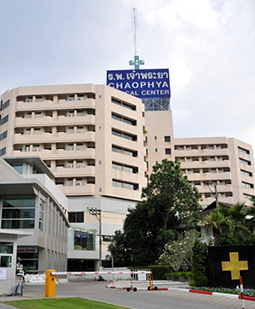
The Chaophya Hospital is a JCI accredited, tertiary private hospital in Bangkok, Thailand, which has been in operation since 1991. It has an international department which offers a comprehensive range of supporting services to foreign patients.
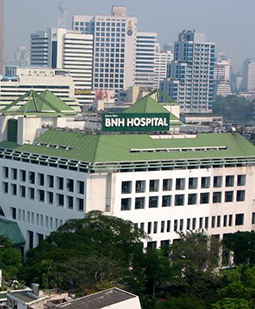
A JCI accredited hospital with a 225 in-patient bed capacity which offers a wide range of medical services. Services for international patients include aesthetic procedures and cosmetic surgery.
 Private Hospital
 JCI
 ISO