European-standard care in Albania, featuring 120 beds, 100 doctors, and advanced Centers of Excellence in Cardiology and Orthopedics. Provides multilingual, cost-effective treatment with minimal waiting time
What are the treatment options for Prostate Cancer?
The type of treatment that a patient chooses depends upon various factors such as the patient’s age, health issues, PSA levels, and Gleason score of the patient’s cancer. The cancer stage and the complications that might be involved in the treatment are also taken into consideration.
Chemotherapy, hormone therapy, radiation therapy and pain medications may be used to treat metastatic or locally advanced prostate cancer.
A patient who has recently been diagnosed with prostate cancer may have emotional problems that may affect the decision making. It is important for the patient to consult the doctor in making the decision for the treatment option.
The treatment methods of prostate cancer include the following:
Watchful Waiting
Watchful waiting is an active surveillance method. It involves observing the cancer over time. It does not mean not doing anything about the cancer. The patient needs to have regular checkups to watch and test the growth of the cancer. Ultrasound, biopsy and PSA blood tests may be conducted to determine the development of the cancer.
Watchful waiting is done to check any changes in the cancer. If the cancer does not spread, then the patient may not need active treatment. The benefit of watchful waiting is to avoid any complications that are involved in active treatment methods, like urinary problems and erectile dysfunction. However there is a risk that the cancer may grow between the checkup visits. If there is growth in the cancer, then the doctor may help the patient decide on an active treatment method.
Radiation
Radiation helps in killing the cancer cells.
The cancer can be treated with radiation in two ways:
External beam radiation
A machine is used to target the radiation at the prostate gland. It is performed in a hospital or a clinic. The radiation is provided for a period of 6 to 8 days.
Brachytherapy
A needle is used to enter small seeds of radiation into the prostate cancer. The seeds gradually discharge radiation inside the prostate gland over time.
Higher amounts of radiation may prove more beneficial in removing the cancer. However it may result in side effects like diarrhea and rectal pain. Lesser amounts of radiation may not be able to stop recurrence of the cancer cells.
Chemotherapy
Chemotherapy involves medications that help in stopping the growth of cancer cells. Medications include drugs like docetaxel, prednisone, etc.
This is used in the advanced stage of the prostate cancer if the cancer has not spread to other parts of the body.
Side effects include nausea, hair loss and mouth sores.
Hormone Treatment
Testosterone hormone may lead to the growth of cancer cells. Hormone treatment helps in reducing or stopping the production of testosterone in the body. This decreases or puts an end to the growth of cancer cells.
Hormone treatment is done by giving some medication to the patient in the form of oral pills or injections. Research on the following kinds of drugs is ongoing:
Leuprolide
Goserelin
Flutamide
Bicalutamide
Hormone treatment is often performed in conjunction with prostate cancer radiation or surgery. However, it can be used as a separate treatment as well.
Combining hormone treatment with external beam radiation has shown to be more beneficial than using radiation alone.
Side effects are: weight gain, impotence, fatigue, hot flash and reduction in muscle mass.
Surgery
Surgery may be performed to remove the cancer along with the prostate gland. Since prostate gland surrounds the urethra, a part of the urethra also may need to be removed. The urethra that is left behind is attached back to the bladder. Tissues surrounding the prostate gland such as lymph nodes may also be extracted and biopsy may be performed on them.
Surgery may injure some nerves that are required for erection. Research studies have shown that 90 patients out of 100 have survived the prostate cancer after surgery. `
Acerca de Tratamiento de Cáncer de Próstata
Datos clave para planificar su tratamiento: cuánto dura, la estancia en el hospital, la anestesia, los riesgos y la recuperación.
Recuperación
Información próximamente. Pida una consulta para recibir orientación personalizada sobre la recuperación. Pedir presupuesto →
Cuidados posteriores
Información próximamente. Pida una consulta para recibir orientación personalizada sobre la recuperación. Pedir presupuesto →
 Private Hospital

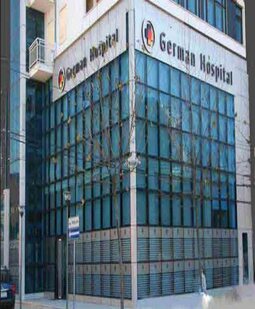 Private Hospital