The department specializes particularly in retinal and vitreous disease and actively performs advanced, high-quality treatment for diseases such as age-related macular degeneration, diabetic retinopathy, and retinal detachment.
What is PRK Surgery?
PRK surgery, or PhotoRefractive Keratectomy, is a type of laser surgery to correct moderate nearsightedness, farsightedness and astigmatism. PRK surgery reshapes the cornea with a laser so that light is more effectively focused on the retina to improve vision.
How is PRK Surgery carried out?
PRK surgery, unlike LASIK eye surgery, does not use a knife or cutting laser to create a flap in the cornea. Instead, PRK surgery removes a thin layer of the cornea’s surface and reshapes the surface of the cornea to correct the vision.
What are the chances of success with PRK Surgery?
According to WebMD, PRK surgery is accurate in correcting cases of nearsightedness and around 80 percent of PRK participants have 20/20 vision one year after surgery.
How popular is PRK in comparison to LASIK?
PRK surgery is less popular than LASIK eye surgery as LASIK generally results in faster, more comfortable and more predictable healing.
Acerca de Cirugía PRK
Datos clave para planificar su tratamiento: cuánto dura, la estancia en el hospital, la anestesia, los riesgos y la recuperación.
Duración de la cirugía/tratamiento
PRK surgery takes around 10 minutes to complete.
Número de sesiones necesarias
PRK surgery is carried out on one eye at a time to make sure the patient has adequate vision throughout the healing process and to check the results of the surgery.
Días de hospitalización
None. PRK surgery is an outpatient procedure.
Anestesia
Local anesthesia.
Recuperación
Full vision takes longer to achieve with PRK surgery than LASIK, taking around three months for best vision.
Patients can generally return to work 48 hours after PRK surgery.
Riesgos
PRK surgery is a straightforward procedure with a few risks.
Risks include:
- Sensitivity to light and mild discomfort.
- Glare and halos.
- Dry eyes.
- Under- or over-correction of sight.
- Decrease in night vision.
- Scarring.
- Infection.
Cuidados posteriores
- Treat dry eyes and prevent infection with prescription eye drops.
- Avoid rubbing your eyes.
- Some patients wear a protective bandage at night for the first few days following PRK surgery.

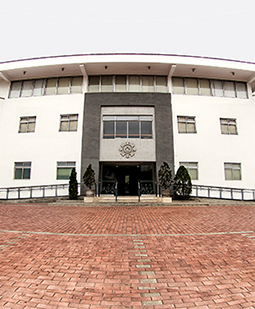 Private Clinic
 JCIPrecio a consultar