Saltar a los hospitales

Neurocirugía en Turquía

Cirugía del Nervio Periférico en Turquía

Hospitales y centros médicos en Turquía que realizan Cirugía del Nervio Periférico.

✓ Hospitales listados✓ Consulta gratuita✓ Sin compromisoDesde $3,100
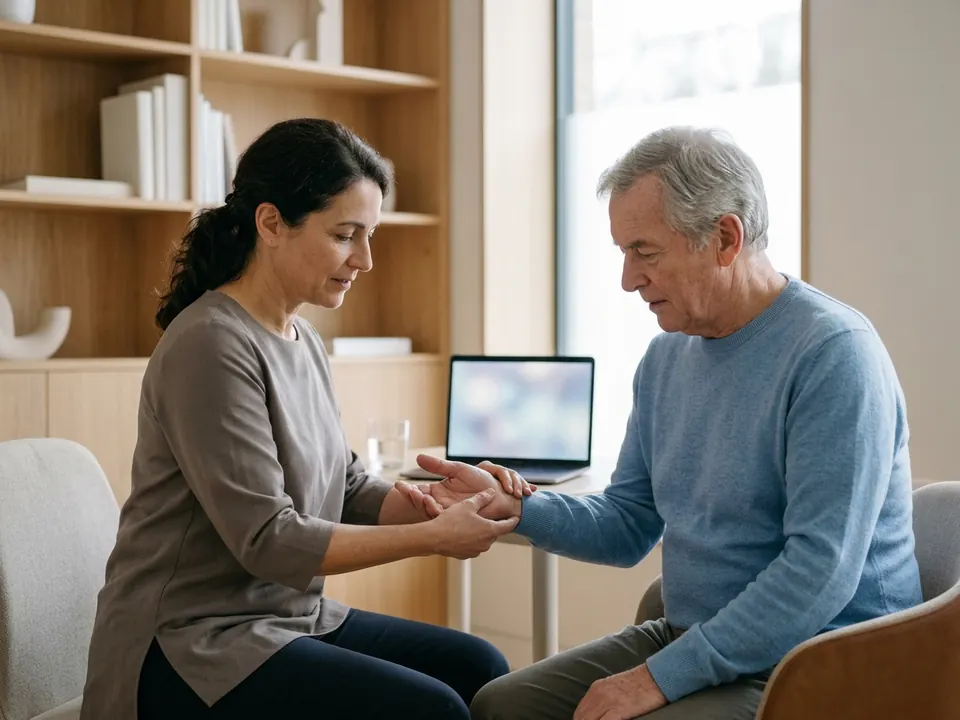
A neurosurgeon conducting a neurological hand and wrist physical examination on a female patient.

Con la confianza de

  • +22 millonesusuarios
  • +483.000pacientes atendidos
  • +4070centros médicos
  • +18años de experiencia en turismo médico

De un vistazo

Información clave para planificar cirugía del nervio periférico en Turquía.

$3,100 desdePrecio más bajo publicado
12 hospitalesOfrecen cirugía del nervio periférico

Cirugía del Nervio Periférico en Turquía aparece desde US$3,100 hasta US$5,400 en 12 hospitales. Cada hospital cotiza su propio precio para su caso.

Precios actualizados en jul 2017

Costo de Cirugía del Nervio Periférico en Turquía

Tabla de precios por tipo de procedimiento, en US$. Cada hospital cotiza su propio precio para su caso.

ProcedimientoPrecio mínimoPrecio máximo
Carpal Tunnel Decompression$3,700$4,400
Common Peroneal Nerve Decompression$4,500$5,400
Lateral Femoral Cutaneous Nerve Decompression$3,100$3,700
Ulnar Nerve Decompression$4,400$5,300
Precio desde $3,100 hasta $5,400 · actualizado en jul 2017.Cada hospital cotiza el precio final

Hospitales y clínicas que ofrecen Cirugía del Nervio Periférico en Turquía

Cirugía del Nervio Periférico aparece en 12 hospitales en Turquía. El orden cambia cada hora para que todos tengan la misma visibilidad.

Mostrando 1–10 de 12 hospitales
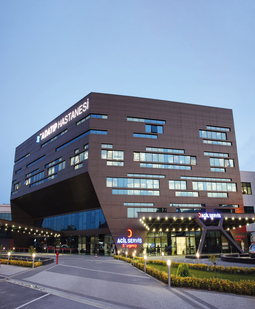
ADATIP Hospital — fotoPrivate Hospital
Sakarya/Istanbul, Turkey

ISO 9001:2015 certified hospital sealISOPrecio a consultar

Our hospital is a leading medical facility in Turkey, with highly specialized doctors, advanced technology, and 40+ procedures. Our facility has 200 beds, 81 doctors, and 50 ICU units. We prioritize patient well-being with VIP services, including hotel stays, checkups, and transportation. Our focus

PreciosPeripheral Nerve Surgery a consultar
Kadikoy Florence Nightingale Hospital — fotoPrivate Hospital
Istanbul, Turkey
JCI Gold Seal of ApprovalJCIISO 9001:2015 certified hospital sealISOPrecio a consultar

Kadıköy Florence Nightingale Hospital provides services in all specialties with its inpatient and outpatient, diagnosis, treatment and emergency service facilities and fully-equipped polyclinics.

PreciosCommon Peroneal Nerve Decompression a consultarLateral Femoral Cutaneous Nerve Decompression a consultarUlnar Nerve Decompression a consultarCarpal Tunnel Decompression a consultarPeripheral Nerve Surgery a consultar
Acibadem Atakent — fotoPrivate University Hospital
Istanbul, Turkey
Precio a consultar

Acıbadem began its journey into healthcare services as a small neighbourhood hospital in a district of Istanbul/Turkey. Today, Acıbadem is a super brand which has taken its rightful place amongst the global healthcare leaders, with its 21 hospitals, 16 outpatient clinics and supporting service compa

PreciosPeripheral Nerve Surgery a consultar
Medicana Healthcare Group — fotoHospital
Istanbul, Turkey

Neurosurgery, or neurological surgery, is the medical specialty concerned with the prevention, diagnosis, surgical treatment, and rehabilitation of disorders which affect any portion of the nervous system including the brain, spinal cord, peripheral nerves, and extra-cranial cerebrovascular system.

PreciosPeripheral Nerve Surgery $2,000 – $5,000
Precios publicados desde
$2,000
Koc University — fotoPrivate Hospital
Istanbul, Turkey

The driving force for our highly-experienced staff is to maintain and increase quality of life. Our primary goal is to maintain highest quality of life, while accomodating time and patience each patient requires.

PreciosPeripheral Nerve Surgery $3,300 – $4,000Carpal Tunnel Decompression $3,400 – $4,000Common Peroneal Nerve Decompression $4,100 – $4,900Lateral Femoral Cutaneous Nerve Decompression $2,850 – $3,400Ulnar Nerve Decompression $4,000 – $4,900
Precios publicados desde
$2,850
Liv Hospital — fotoPrivate Hospital
Istanbul, Turkey
JCI Gold Seal of ApprovalJCIPrecio a consultar

Liv Hospital is the only institution in Turkey co-authorized Center of Excellence Accreditation in colorectal surgery, robotic surgery and bariatric surgery by the Surgical Review Corporation (SRC) and provides advanced technology and treatments to its international patients with its 159 bed capacit

PreciosPeripheral Nerve Surgery a consultar

Descripción de Cirugía del Nervio Periférico:

What is Peripheral Nerve Surgery?
Peripheral nerve surgery is a general term for various surgeries performed to treat peripheral nerve injuries, compression and tumors. These surgeries are conducted by surgeons from the specialized in orthopedics, neurology, cosmetic or reconstructive surgery.

Acerca de Cirugía del Nervio Periférico

Datos clave para planificar su tratamiento: cuánto dura, la estancia en el hospital, la anestesia, los riesgos y la recuperación.

Recuperación
Información próximamente. Pida una consulta para recibir orientación personalizada sobre la recuperación.
Pedir presupuesto →
Cuidados posteriores
Información próximamente. Pida una consulta para recibir orientación personalizada sobre la recuperación.
Pedir presupuesto →
Carpal Tunnel Decompression
Carpal tunnel decompression is a surgical procedure to treat the compression or dysfunction of the median nerve that extends through the wrist to the hand.

An incision is made in the hand and an antiseptic solution is used to wash the incision area. The incision is then made deeper below the skin and fat through the first layer. The incision is then made through the flexor retinaculum with a sharp blade. The nerve decompression is beyond the incision, into the forearm. After the bleeding stops, the incision is closed and covered with dressing and bandage.

How to prepare for carpal tunnel decompression?

The patient should inform the doctor about the following things:

  • Health illnesses
  • Medication that the patient may be taking
  • Allergies
  • Bleeding disorders
Días de hospitalización
This surgery may be done as an out patient procedure, and the patients can go home after the surgery. However, some patients are admitted to the hospital one day before the surgery.
Anestesia
General or local anesthesia
Recuperación
- The patient is taken to the recovery room to be monitored for one hour after the surgery
- Pain medication may be prescribed by the doctor.
- The patient will be encouraged to keep the arm elevated.
- The sutures may be removed in 7 to 12 days after the surgery
- The doctor will schedule follow-up visits to check the wound.
- Physiotherapy may be recommended
Riesgos
The common risks involved in carpal tunnel decompression are as follows:
- Blood clotting
- Nerve injury
- Wrist pain
- Scarring
- Failure to treat the symptoms
Cuidados posteriores
- The patient should drive after being discharged from the hospital.
- The dressing should be changed regularly on a daily basis.
- The wound should be kept dry.
- The patient should try to keep the arm elevated and use it for normal activities.
- Lifting heavy objects should be avoided, until the doctor permits the patient to do so.

The doctor should be informed if the following symptoms occur:
- Severe pain in the wrist
- Fever
- Infection and swelling of the wound
- Weakness or numbness in the hand or fingers
Common Peroneal Nerve Decompression
Common peroneal nerve decompression is a surgical procedure to treat the compression or dysfunction of the nerve that lies around the outer portion of the leg.

An incision is made near the knee and an antiseptic solution is used to wash the incision area. The incision is then made deeper below the skin and fat. Then the fascia above the muscle and nerve is cut with a sharp blade. The peroneal nerve is identified, which lies below the beginning of the fibula. Where the nerve enters the muscle, it is decompressed. After the bleeding stops, the incision is closed and covered with dressing and bandage.

How to prepare for common peroneal nerve decompression?

The patient should inform the doctor about the following things:

  • Health illnesses
  • Medication that the patient may be taking
  • Allergies
  • Bleeding disorders
Días de hospitalización
This surgery may be done as an out patient procedure, and the patients can go home after the surgery. However, some patients are admitted to the hospital one day before the surgery.
Anestesia
General or local anesthesia
Recuperación
- The patient is taken to the recovery room to be monitored for one hour after the surgery
- Pain medication may be prescribed by the doctor.
- The sutures may be removed in 7 to 12 days after the surgery
- The doctor will schedule follow-up visits to check the wound.
Riesgos
The common risks involved in common peroneal nerve decompressions are as follows:
- Infection
- Blood clotting
- Nerve injury
- Severe surgical pain
- Scarring
- Failure to treat the symptoms
Cuidados posteriores
- The patient should drive after being discharged from the hospital.
- The dressing should be changed regularly on a daily basis.
- The wound should be kept dry.
- Running and stressing the leg should be avoided.

The doctor should be informed if the following symptoms occur:
- Severe knee pain
- Fever
- Infection and swelling of the wound
- Weakness or numbness in the leg
Lateral Femoral Cutaneous Nerve Decompression
Lateral Femoral Cutaneous Nerve Decompression is a surgical procedure to treat the compression or dysfunction of the nerve that lies around the outer portion of the thigh, beneath the hip and above the knee. An incision is made on the skin at the groin and an antiseptic solution is used to wash the incision area. The incision is cut deeper into the first fascia layer. Then the fascia above the muscle and nerve is cut with a sharp blade. The lateral femoral cutaneous nerve is then identified, which lies beneath the fascia. The nerve is followed up to the inguinal ligament to find the exact area through which it comes. If the nerve has to be decompressed, the hole is opened. If the nerve has to be divided, it is pulled through the hole and cut. The stump is drawn back to the abdomen. After the bleeding stops, the incision is closed and covered with dressing and bandage

How to prepare for Lateral Femoral Cutaneous Nerve Decompression?

The patient should inform the doctor about the following things:

  • Health illnesses
  • Medication that the patient may be taking
  • Allergies
  • Bleeding disorders
Días de hospitalización
This surgery may be done as an out patient procedure, and the patients can go home after the surgery. However, some patients are admitted to the hospital one day before the surgery.
Anestesia
General or local anesthesia
Recuperación
- The patient is taken to the recovery room to be monitored for one hour after the surgery
- Pain medication may be prescribed by the doctor.
- The sutures may be removed in 7 to 12 days after the surgery
- The doctor will schedule follow-up visits to check the wound.
Riesgos
The common risks involved in Lateral Femoral Cutaneous Nerve Decompression are as follows:
- Difficulty in finding the nerve for the surgery
- Infection
- Blood clotting
- Nerve injury
- Severe surgical pain
- Scarring
- Failure to treat the symptoms
Cuidados posteriores
- The patient should drive after being discharged from the hospital.
- The dressing should be changed regularly on a daily basis.
- The wound should be kept dry.
- Running and stressing the leg should be avoided.

The doctor should be informed if the following symptoms occur:
- Severe pain in the groin
- Fever
- Infection and swelling of the wound
Ulnar Nerve Decompression
Ulnar nerve decompression is a surgical procedure to treat the compression or dysfunction of the ulnar nerve that runs from the elbow to the hand, which provides sensation to the little finger and half of the ring finger.

An incision is made on the skin near the elbow and an antiseptic solution is used to wash the incision area. The incision is then made deeper below the skin and fat through the first layer. Then the fascia above the muscle and nerve is cut with a sharp blade. The ulnar nerve is identified, which lies below the bone on the inner side of the elbow. The nerve is decompressed at the point where it enters the forearm muscles. After the bleeding stops, the incision is closed and covered with dressing and bandage.

How to prepare for ulnar nerve decompression?

The patient should inform the doctor about the following things:

  • Health illnesses
  • Medication that the patient may be taking
  • Allergies
  • Bleeding disorders
Días de hospitalización
This surgery may be done as an out patient procedure, and the patients can go home after the surgery. However, some patients are admitted to the hospital one day before the surgery.
Anestesia
General or local anesthesia
Recuperación
- The patient is taken to the recovery room to be monitored for one hour after the surgery
- Pain medication may be prescribed by the doctor.
- The patient will be encouraged to keep the arm elevated.
- The sutures may be removed in 7 to 12 days after the surgery
- The doctor will schedule follow-up visits to check the wound.
Riesgos
The common risks involved in ulnar nerve decompression are as follows:
- Blood clotting
- Nerve injury
- Elbow pain
- Scarring
- Failure to treat the symptoms
Cuidados posteriores
- The patient should drive after being discharged from the hospital.
- The dressing should be changed regularly on a daily basis.
- The wound should be kept dry.
- The patient should try to keep the arm elevated and use it for normal activities.
- Lifting heavy objects should be avoided, until the doctor permits the patient to do so.

The doctor should be informed if the following symptoms occur:
- Severe pain in the wound or elbow
- Fever
- Infection and swelling of the wound
- Weakness or numbness in the hand

Opiniones de pacientes

Opiniones próximamente.

Preguntas comunes

Preguntas frecuentes

¿Tiene alguna pregunta? Pida una consulta gratuita.

¿Listo para comparar hospitales de cirugía del nervio periférico en Turquía?

Elija un hospital y envíe su consulta a su equipo de pacientes internacionales. Cada uno responde con su propio precio y plan.

Consulta gratuita • Sin compromiso