Saltar a los hospitales

Neurocirugía en Turquía

Estimulación Cerebral Profunda en Turquía

Hospitales y centros médicos en Turquía que realizan Estimulación Cerebral Profunda.

✓ Hospitales listados✓ Consulta gratuita✓ Sin compromisoDesde $25,000
A neurosurgeon discussing deep brain stimulation therapy with a patient.

Con la confianza de

  • +22 millonesusuarios
  • +483.000pacientes atendidos
  • +4070centros médicos
  • +18años de experiencia en turismo médico

De un vistazo

Información clave para planificar estimulación cerebral profunda en Turquía.

$25,000 desdePrecio más bajo publicado
5 hDuración del procedimiento
3 díasEstancia hospitalaria
10 hospitalesOfrecen estimulación cerebral profunda

Estimulación Cerebral Profunda en Turquía aparece desde US$25,000 hasta US$50,000 en 10 hospitales. La operación dura 5 horas, con 3 días de hospitalización. Cada hospital cotiza su propio precio para su caso.

Precios actualizados en may 2017

Costo de Estimulación Cerebral Profunda en Turquía

Tabla de precios por tipo de procedimiento, en US$. Cada hospital cotiza su propio precio para su caso.

ProcedimientoPrecio mínimoPrecio máximo
Estimulación Cerebral Profunda$25,000$50,000
Precio desde $25,000 hasta $50,000 · actualizado en may 2017.Cada hospital cotiza el precio final

Hospitales y clínicas que ofrecen Estimulación Cerebral Profunda en Turquía

Estimulación Cerebral Profunda aparece en 10 hospitales en Turquía. El orden cambia cada hora para que todos tengan la misma visibilidad.

Mostrando 1–10 de 10 hospitales
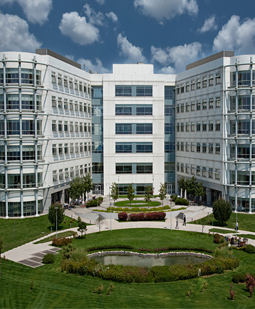
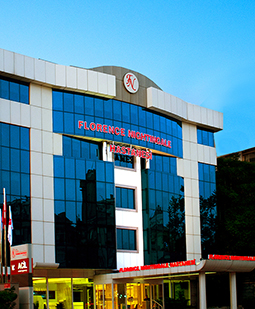
Istanbul Florence Nightingale Hospital — fotoPrivate Hospital Group
Istanbul, Turkey

Florence Nightingale Hospital, founded in 1989, is a leading hospital network in Europe and the Middle East. It pioneered the region's first robotic surgery and liver transplant. Florence Nightingale operates four hospitals, treating over 300,000 patients annually.

PreciosDeep Brain Stimulation (DBS) Implantation (Bilateral) $24,500
Precios publicados desde
$24,500
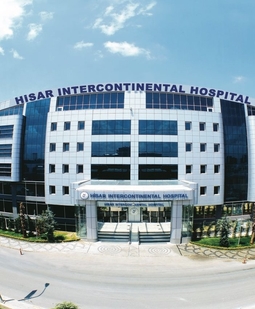
Hisar Intercontinental Hospital — fotoPrivate Hospital
Istanbul, Turkey
JCI Gold Seal of ApprovalJCIISO 9001:2015 certified hospital sealISOPrecio a consultar

Dealing with the surgical treatment of Brain, Nerve and Spine Diseases, our department also offers service by its experienced doctors in advanced neurological sciences such as Neurooncology, Neurovascular Surgery, Skull Base Surgery, Peripheral Nerve Surgery, Epilepsy and Pain Surgery.

PreciosDeep Brain Stimulation a consultar
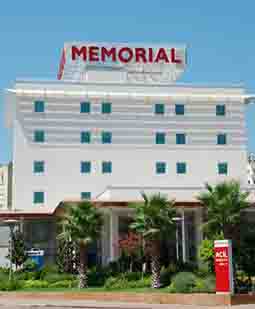
Memorial Antalya Hospital — fotoPrivate Hospital
Antalya, Turkey
JCI Gold Seal of ApprovalJCIPrecio a consultar

A modern JCI accredited hospital located in Antalya, with 80 physicians spread across most medical specialties. The international patients department assists foreign patients with transportation, insurance, Visa arrangements, translation and more.

PreciosDeep Brain Stimulation a consultar
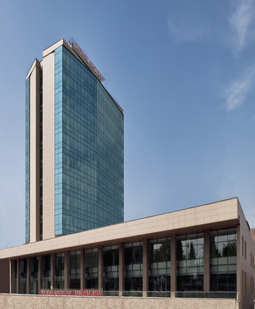
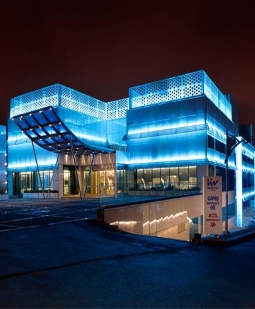
Liv Hospital — fotoPrivate Hospital
Istanbul, Turkey
JCI Gold Seal of ApprovalJCIPrecio a consultar

Liv Hospital is the only institution in Turkey co-authorized Center of Excellence Accreditation in colorectal surgery, robotic surgery and bariatric surgery by the Surgical Review Corporation (SRC) and provides advanced technology and treatments to its international patients with its 159 bed capacit

PreciosDeep Brain Stimulation a consultar
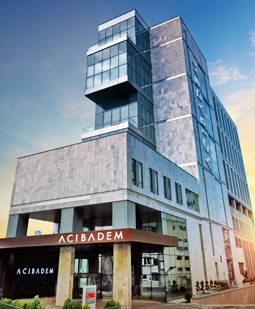
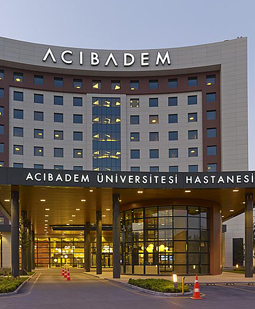
Acibadem Atakent — fotoPrivate University Hospital
Istanbul, Turkey
Precio a consultar

Acıbadem began its journey into healthcare services as a small neighbourhood hospital in a district of Istanbul/Turkey. Today, Acıbadem is a super brand which has taken its rightful place amongst the global healthcare leaders, with its 21 hospitals, 16 outpatient clinics and supporting service compa

PreciosDeep Brain Stimulation a consultar

Descripción de Estimulación Cerebral Profunda:

What is Deep Brain Stimulation?
Deep brain stimulation (DBS) is a surgical procedure in which a brain pacemaker, known as a neurostimulator is implanted. The brain pacemaker delivers constant electrical impulses to particular areas of the brain.

Acerca de Estimulación Cerebral Profunda

Datos clave para planificar su tratamiento: cuánto dura, la estancia en el hospital, la anestesia, los riesgos y la recuperación.

Duración de la cirugía/tratamiento
The duration of the surgery depends on the steps involved, which may vary. If two electrodes are inserted, then the duration is longer. Some surgeries could take approximately 5 hours or more.
Días de hospitalización
Approximately 3 days
Anestesia
- The first stage of the surgery is done under local anesthesia.
- The second stage of the surgery is done under general anesthesia.
- If the surgery is performed on children, both the stages
Recuperación
- The patient may be required to take antibiotics to prevent infection. - The patient may need to visit the neurologist several times after the surgery to adjust the stimulation with the help of programming. - The medications of the patient are adjusted after the surgery. - The stitches or staples are removed in 7 to 10 days after the surgery.
Riesgos
There are several risks of deep brain stimulation. However, if it is performed on properly selected patients, it is safe and effective. The risks of deep brain stimulation are as follows: - Allergic reaction to the implanted devices - Concentrating problems - Infection - Cerebrospinal fluid leakage leading to meningitis - Dizziness and balance loss - Movement disability - Vision and speech defect or disability - Swelling of the surgical site where the devices are implanted - Breakage or dysfunction of the implanted devices and wires - Coma - Brain swelling - Stroke - Seizures
Cuidados posteriores
- The incision area should be kept dry and covered, and should be changed according to the requirements. - The patient’s head can be washed using a damp cloth carefully avoiding the surgical region. - The day after the stitches or staples are removed, the patient’s hair can be washed gently. - The patient should avoid scratching the surgical wound. - Light activities, such as housework and sexual activity, should be avoided for 2 weeks after the surgery. - Heavy physical activities, such as jogging and swimming, should be avoided for 4 to 6 weeks after the surgery. - The patient should avoid lifting heavy objects for 2 to 4 weeks after the surgery. - If the doctor permits, the patient may return to work in 4 to 6 weeks after the surgery. - Some places may contain devices such as theft detectors, which may affect the neurostimulator that causes an uncomfortable sensation. The patient should always carry a medical identification card to request assistance to avoid such devices. - A magnet will be provided to activate or deactivate the neurostimulator. This magnet may harm other devices like TV or credit cards. So the magnet should be kept away from these devices. - The batteries of the pulse generator need to be replaced in 3 to 5 years. This can be done in an outpatient procedure. If the following symptoms are experienced, the doctor should be contacted immediately: - Fever - Severe headaches - Bleeding from the surgical area - Infection or irritation in the incision area - Vision impairment - Nausea and vomiting - Speech difficulty - Weakness - Numbness or a tingling sensation on a part of the body

Opiniones de pacientes

Opiniones próximamente.

Preguntas comunes

Preguntas frecuentes

¿Tiene alguna pregunta? Pida una consulta gratuita.

¿Listo para comparar hospitales de estimulación cerebral profunda en Turquía?

Elija un hospital y envíe su consulta a su equipo de pacientes internacionales. Cada uno responde con su propio precio y plan.

Consulta gratuita • Sin compromiso