De un vistazo
Información clave para planificar radiología pediátrica en Portugal.
Radiología Pediátrica en Portugal se presupuesta caso por caso. Cada hospital cotiza su propio precio para su caso.
Hospitales y clínicas que ofrecen Radiología Pediátrica en Portugal
El orden cambia cada hora para que todos tengan la misma visibilidad.
Descripción de Radiología Pediátrica:
What is Pediatric Radiology?
This is a subspecialty of radiology which involves imaging of children. It takes into account that organs follow growth patterns and phases in a growing body from infants to adolescents.
This is a specialist who uses imaging techniques and equipment t diagnoses diseases and injuries in infants, children, and adolescents.
Training
Pediatric radiologists have a degree from a medical school, at least one year of training in clinical medicine, four years training in diagnostic radiology, at least one year of training in the diagnosis of children using imaging equipment and additional years of training in the diagnosis of infants and children using imaging equipment.
What Do Pediatric Radiologists Do?- Pediatric c radiologists expertly select the best imaging technique to diagnose medical and surgical problems in children. Imaging techniques used in pediatric radiology include ultrasound d, x-ray, nuclear medicine, computed tomography (CT) and magnetic resonance imaging (MRI).
- They ensure that the test is accurately and safely performed, interpret the results and make the appropriate diagnosis.
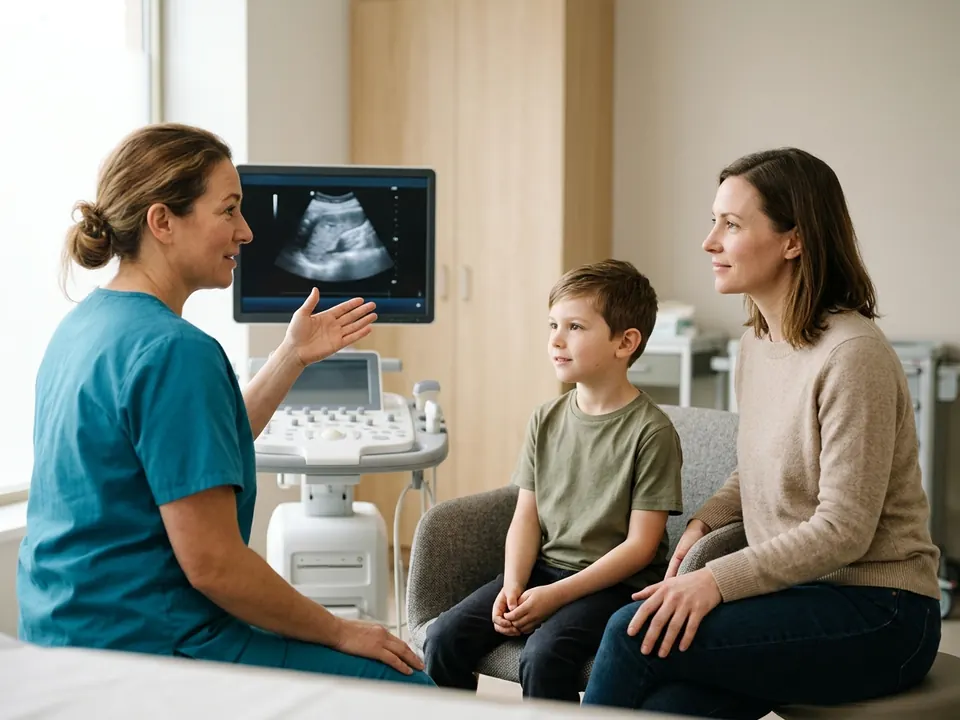
- Pediatric radiologists have to be especially patient and friendly to help gain the child’s trust so as to perform the tests. Most will wear colorful uniforms and decorate their offices and equipment rooms with pictures that children like. They also use equipment designed for children which make the test more comfortable for the children and exposes them to minimal radiation.
Pediatric illnesses that require imaging include:
- Leukemia
- Osteosarcoma
- Meningitis
- Wilms' tumor
- Infant respiratory distress syndrome
- Teratoma
- Juvenile idiopathic arthritis
- Congenital abnormalities
- Greenstick fractures
- Cardiovascular conditions
- Urologic conditions
- Chest and respiratory conditions
- Gastrointestinal conditions
- Skeletal conditions
- Neurological conditions
- Neonatal conditions
- Orthopedic oncology conditions
- Orthopedic conditions
- Oncology conditions
- Traumatic injury
Imaging Technologies
- Radiography and x-rays: These use electromagnetic radiation to view the body’s internal structure by creating images of the inside of the body. The images are usually in shades of black and white.
- Ultrasound: This uses high-frequency waves to create images of the inside of the body. During the procedure, the image is displayed on a monitor.
- Magnetic Resonance Imaging (MRI): This method uses radio waves and a magnetic field to create images of tissue and organs inside your body.
- Computerized Tomography (CT or CAT scan): This imaging technique examines inside the body and displays the anatomical details of blood vessels very clearly. A contrast agent may be used for clearer images.
- Nuclear Imaging (SPECT): It provides high-resolution images that can be represented as cross-sectional slices in three dimensions.
- Positron emission technology (PET/CT) Scan: This combines CT and PET in one machine to produce three dimension images that are very clear.
Before the procedure
- If the child is old enough to understand you can explain to them why the test is being done to reduce their anxiety.
- You can practice the positions they will be in during the procedure and tell them how the test will feel and describe the equipment that will be used.
- You can suggest ways of staying calm such as counting and breathing deeply.
After the procedure
- After the child has completed the tests your doctor will discuss with you the results and diagnosis and make an appropriate treatment plan.
Acerca de Radiología Pediátrica
Datos clave para planificar su tratamiento: cuánto dura, la estancia en el hospital, la anestesia, los riesgos y la recuperación.
Opiniones de pacientes
Opiniones próximamente.
Preguntas comunes
Preguntas frecuentes
¿Tiene alguna pregunta? Pida una consulta gratuita.