Información clave para planificar cirugía a corazón abierto en Austria.
3–5 hDuración del procedimiento
4 díasEstancia hospitalaria
1 hospitalOfrece cirugía a corazón abierto
Cirugía a Corazón Abierto en Austria se presupuesta caso por caso en 1 hospital. La operación dura 3 a 5 horas, con 4 días de hospitalización. Cada hospital cotiza su propio precio para su caso.
Hospitales y clínicas que ofrecen Cirugía a Corazón Abierto en Austria
Cirugía a Corazón Abierto aparece en 1 hospital en Austria. El orden cambia cada hora para que todos tengan la misma visibilidad.
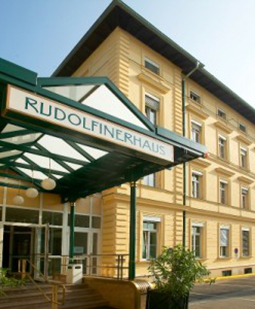
The largest private hospital in Vienna, offering quality medical services in an atmosphere of a luxury hotel. Rudolfinerhaus is affiliated with thousands of doctors, and patients can choose their doctors, or even bring their own physicians.
What is Open Heart Surgery?
Open heart surgery is a procedure that involves opening the walls of the chest, and performing surgery on the heart muscles, arteries or other related structures.
What are the different types of Open Heart Surgery treatment?
The most popular type of heart surgery is coronary artery bypass grafting or CABG as it is commonly known. During a CABG procedure, surgeons use healthy veins obtained from another part of the body to, go around blocked arteries.
Other types of open-heart surgery usually performed by specialists include:
repair of the heart valves that control blood flow through the heart's chambers and heart transplant.
Acerca de Cirugía a Corazón Abierto
Datos clave para planificar su tratamiento: cuánto dura, la estancia en el hospital, la anestesia, los riesgos y la recuperación.
Duración de la cirugía/tratamiento
Generally between 3 to 5 hours.
Días de hospitalización
Naturally, your stay in hospital will vary, depending on the post-operative condition of your heart. However, in normal cases, a hospital stay of up to 4 days or longer can be expected.
Anestesia
General anesthesia
Recuperación
A period of 6 to 12 weeks is need for recovery.
Whilst you're in hospital, doctors and nurses will keep a close check on your heart rate, blood pressure, breathing, and also the incision area for any abnormal signs.
Riesgos
Heart surgery is not without its risks, and these can include the following:
- Infection, fever, and even swelling
- Bleeding.
- Irregular heartbeats
- Difficulties focusing or thinking clearly.
- A reaction to the medication used to put you to sleep
whilst the procedure is being performed
- Damage to tissues in the heart, kidneys, and lungs.
Death.
Generally, the risks of an open heart procedure increases for people who:
- Are older over 70
- Have had multiple heart surgeries
- Suffer from conditions such as high pressure, diabetes, kidney disease and lung disease.
Cuidados posteriores
After your surgery, aftercare may include regular checkups with your doctor.
You may need to make diet and lifestyle changes and take various medicines to assist you to remain healthy.
You doctor may recommend that you join a cardiac rehabilitation program. Cardiac rehabilitation normally includes counseling, education, and exercise training to help you recover.

 Private Hospital
 ISOPrecio a consultar