Información clave para planificar discectomía microlumbar en Israel.
1 hDuración del procedimiento
24 hEstancia hospitalaria
7 hospitalesOfrecen discectomía microlumbar
Discectomía Microlumbar en Israel se presupuesta caso por caso en 7 hospitales. La operación dura 1 hora, con 24 horas de hospitalización. Cada hospital cotiza su propio precio para su caso.
Hospitales y clínicas que ofrecen Discectomía Microlumbar en Israel
Discectomía Microlumbar aparece en 7 hospitales en Israel. El orden cambia cada hora para que todos tengan la misma visibilidad.
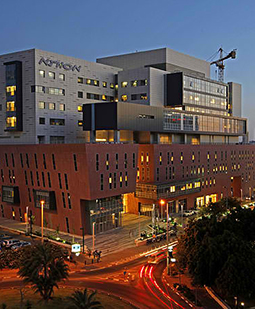
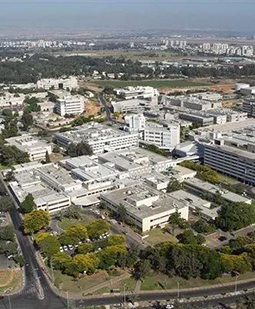
The largest medical center in Israel and the Middle East, internationally renowned for it's medical excellence. Around 31,000 inpatients are treated annually.
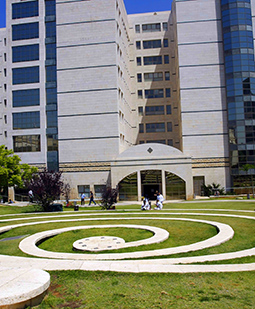
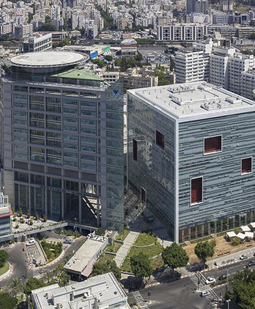
The Department of Neurosurgery of the Tel Aviv Sourasky Medical Center specializes in treating disorders of the brain, spinal cord, and peripheral nervous system in children and adults. TASMC is considered the leading neurosurgery facility in Israel and one of the most advanced internationally.
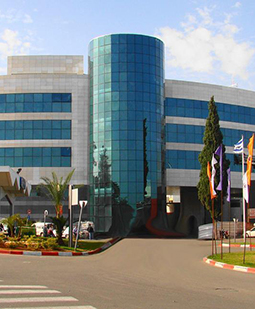
The Department of Neurosurgery of Rambam Health Care Campus pioneered the most advanced technology in administering Neurosurgical treatments in the country.
The Rabin Neurosurgery department has an outpatient clinic and 5 specialized units: Spinal Neurosurgery, Neurosurgical Intensive Care, Neuroendoscopy, Pediatric Neurosurgery and Endovascular Neuroradiology.
One of the largest hospitals in Israel with 900 beds and 700 physicians. The hospital serves 1000 medical tourists annually, providing advanced medical care at the highest western standards.
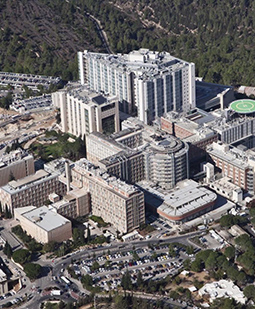
Hadassah medical institution includes two university hospitals in Jerusalem – on Mt. Scopus and in Ein Kerem. Both provide advanced tetriary healthcare services in all medical specialties.
What is Microlumbar Discectomy?
Microlumbar Discectomy is a minimally invasive surgical procedure in which a compressed nerve root in the lower back due to a herniated inter-vertebral disk is decompressed. Decompression of the nerve root relieves the back and leg pain.
How is Microlumbar Discectomy Performed?
A small incision of approximately one inch is made on the patient’s low back, above the compressed nerve root. An operative microscope is used to remove a crescent shaped part of the bone from the spine, which then discloses the compressed nerve root and herniated inter-vertebral disk. Then, the nerve root is decompressed by removing the disc. The disc nucleus that is degenerated is removed with a curette from the central disc space. The incision is then closed with dissolvable sutures.
How to Prepare for the Surgery?
The patient should inform the doctor about any ailments, medical conditions and medication that the patient may be taking.
The patient should not smoke for several days before the surgery.
Two weeks prior to the surgery, the doctor may stop certain medication that the patient may be taking.
The patient is required to do an MRI or CT scan before a microlumbar discectomy.
Acerca de Discectomía Microlumbar
Datos clave para planificar su tratamiento: cuánto dura, la estancia en el hospital, la anestesia, los riesgos y la recuperación.
Duración de la cirugía/tratamiento
Approximately 1 hour
Días de hospitalización
Most patients can return home on the same day of the surgery. Patients may be discharged within 24 hours after the surgery.
Anestesia
General anesthesia
Recuperación
- The bandage may be removed before the patient is discharged from the hospital. If not, it will be removed 24 to 36 hours after the surgery.
- If the sutures or staples are not dissolvable, they will be removed after two weeks.
- The patient may experience post-surgery muscle spasm. Medication may be provided for this.
Riesgos
The risks involved in microlumbar discectomy are rare. They include:
- Injury to the nerve roots
- Damage to the spinal structures
- Infection
- Risks of anesthesia
- Numbness or weakness
Cuidados posteriores
- The patient’s wounds should be dressed daily and checked for any infection and swelling.
- The doctor should be informed if the patient has fever.
- Regular diet may be followed by the patient.
- The patient should not strain to have a bowel movement.
- The patient may take a shower 3 days after the surgery. However, bathtubs and swimming pools should be avoided.
- The patient should not drive for 2 to 3 weeks after the surgery.
- Sitting intervals should be limited to 20 to 30 minutes.
- Walking is encouraged.
- Strenuous activities and lifting heavy objects should be avoided.

 Public Hospital
 JCIPrecio a consultar
 ISO