Información clave para planificar cirugía de próstata laparoscópica en Israel.
2–3 díasEstancia hospitalaria
8 hospitalesOfrecen cirugía de próstata laparoscópica
Cirugía de Próstata Laparoscópica en Israel se presupuesta caso por caso en 8 hospitales. Requiere 2 a 3 días de hospitalización. Cada hospital cotiza su propio precio para su caso.
Hospitales y clínicas que ofrecen Cirugía de Próstata Laparoscópica en Israel
Cirugía de Próstata Laparoscópica aparece en 8 hospitales en Israel. El orden cambia cada hora para que todos tengan la misma visibilidad.
Expert urologists, state-of-the-art equipment, and clinical outcomes have earned TASMC an outstanding reputation in treating urologic diseases and conditions. Diagnostic and treatment procedures cover the range of invasive surgery, laparoscopic surgery, as well as non-invasive surgery.
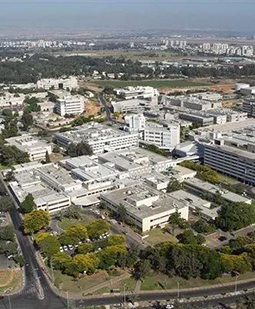
The largest medical center in Israel and the Middle East, internationally renowned for it's medical excellence. Around 31,000 inpatients are treated annually.
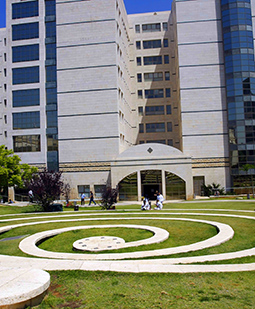
The Department of Urology in Rambam Health Care Campus is known for their use of the most advanced equipment and techniques from diagnosis to procedure and treatments.
A private hospital located on the shorelines of Herzliya, just off Tel Aviv, offering healthcare services to both local and foreign patients. The hospital is affiliated with over 500 Israeli physicians, many of whom hold high level positions at public hospitals.
The Department of Urology at Rabin Medical Center is the largest urology department in Israel and is a national referral center for the full spectrum of urological pathology ans diseases.
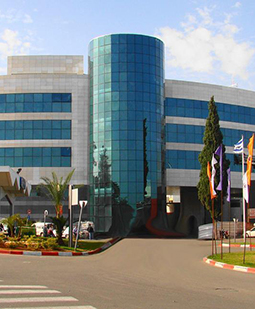
One of the largest hospitals in Israel with 900 beds and 700 physicians. The hospital serves 1000 medical tourists annually, providing advanced medical care at the highest western standards.
Hadassah medical institution includes two university hospitals in Jerusalem – on Mt. Scopus and in Ein Kerem. Both provide advanced tetriary healthcare services in all medical specialties.
What is Laparoscopic Prostate Surgery?
Laparoscopic prostate surgery is a minimally invasive surgical procedure to remove a diseased prostate affected by cancer. The surgical incisions are tiny, and through these incisions a laparoscope, which is an endoscopic device with a camera attached to it, is inserted along with other surgical tools that are used during the surgery. Bleeding is much less during the surgery and the patient does not take a very long time to recover after an endoscopic prostate surgery.
How is Laparoscopic Prostate Surgery Performed?
The surgeon injects a small needle below the patient's navel and inside the abdomen.
Carbon dioxide gas is passed through this needle into the abdomen.
The gas inflates the abdominal cavity and in this way the surgeon can see inside the abdominal cavity clearly during the surgery.
A small incision is made near the navel and a laparoscope is inserted through it. The laparoscope transmits the picture of the prostate on a monitor.
The surgeon examines the abdominal cavity to ensure that there are no symptoms of infection or any disease inside the abdomen. The surgery will not be continued if the surgeon finds these symptoms.
A few other tiny incisions measuring about five to 10 millimeters are made on the lower abdomen.
Surgical tools are inserted through these incisions and the prostate may be removed.
After the surgery is over, the incision is closed.
How to Prepare for Laparoscopic Prostate Surgery?
The patient is physically examined to ensure that the patient is in a good condition to undergo surgery.
The patient needs to give some tests like blood and urine analysis, X-ray, electrocardiogram, and lung function tests.
The doctor should be informed about any medication that the patient is taking with or without a prescription. These may include supplements or herbs or drugs.
Certain medication that the patient is taking may be stopped two weeks before the surgery.
The doctor should be informed if the patient has any ailments or medical conditions.
The patient must stop smoking to ensure a quick recovery.
The patient may be required to take laxative medicine on the evening ahead of the surgery if the patient's intestine needs to be cleaned.
Acerca de Cirugía de Próstata Laparoscópica
Datos clave para planificar su tratamiento: cuánto dura, la estancia en el hospital, la anestesia, los riesgos y la recuperación.
Días de hospitalización
2 to 3 days
Anestesia
General anesthesia
Recuperación
Risks of anesthesia include:
- Breathing difficulty
- Allergic reaction to medication
Risks of prostate surgery include:
- Incontinence
- Impotence
- Bleeding
- Blood clotting
- Infection
Riesgos
Risks of anesthesia include:
- Breathing difficulty
- Allergic reaction to medication
Risks of prostate surgery include:
- Incontinence
- Impotence
- Bleeding
- Blood clotting
- Infection
Cuidados posteriores
- The patient is encouraged to move around after the surgery.
- The patient should avoid lifting and pushing heavy objects.
- The patient should avoid straining the abdominal muscles by doing exercises like sit-ups.

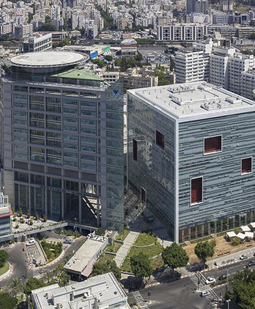 Public University Hospital
 JCI
 ISO