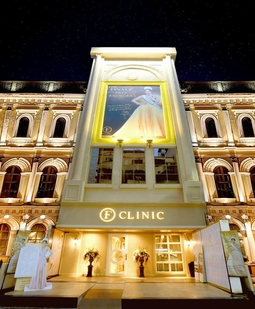
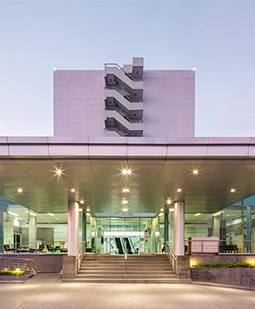
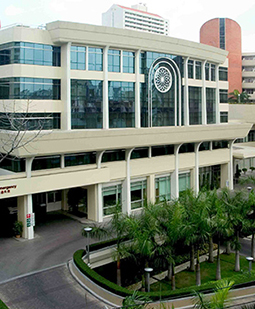
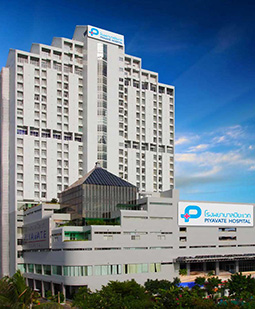
The plastic surgery center at Yanhee Hospital has 15 full-time cosmetic surgeons, and offers a full range of cosmetic surgery procedures at reasonable prices.
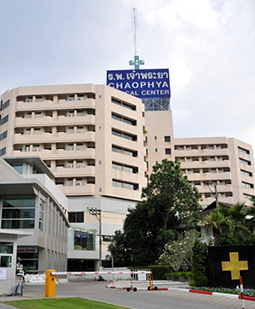
The Chaophya Hospital is a JCI accredited, tertiary private hospital in Bangkok, Thailand, which has been in operation since 1991. It has an international department which offers a comprehensive range of supporting services to foreign patients.
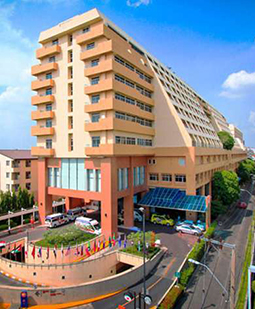
Vejthani is a 500 bed private hospital that serves international patients from over 40 countries annually. The hospital has all necessary services to accomodate medical tourists.
This cosmetic surgery centre provides a complete line of aesthetic procedures for the face, body, nose, breasts, eyes, and many others. It specializes in sex reassignment surgeries.
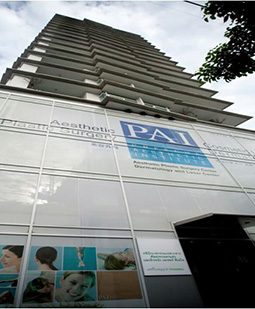
The Pioneer and Founder of Thailand Transgender Surgery by Dr. Preecha Tiewtranon. Preecha Aesthetic Institute– offers a full range of cosmetic and reconstructive plastic surgery.
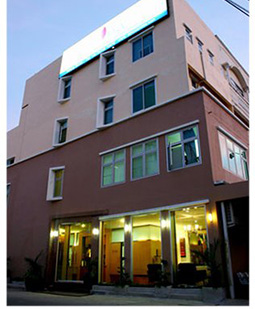
Being one of the few aesthetic centres in Phuket, Dr. V. Cosmetic offers a full range of facial and body care treatments specifically intended to combat aging and promote rejuvenation. The centre serves international and local patients.
Sikarin Hospital is now one of the leading acute care hospitals in the Eastern suburbs of Bangkok . Located on Srinakarin Road , Sikarin Hospital has 245 beds and provides full inpatient and outpatient services as well as 24 hour emergency services.
Samitivej Sukhumvit Hospital is the main hospital of the Samitivej hospitals group. It provides quality tertiary care, from cosmetic surgery to major operations such as open heart surgery.
Piyavate Hospital is a 300 bed tetriary care hospital with an International coordinator team to take care of all the international patient's needs. It has been in operation since 1993.
What is Cheek Augmentation?
Cheek augmentation, also known as cheek implants, is a facial implant surgery designed to fill out the cheeks and enhance the shape of the face. Many people choose cheek augmentation to improve the look of their face after aging or weight loss or to give balance to their features.
To fill out a hollow or sunken cheek, cheek augmentation is carried out on the lower or mid-cheek region (submalar). High cheekbones are created with implants in the upper cheek (malar). Many people opt for a combination of the two.
The surgeon inserts implants into the cheek through incisions along the lower lash line, upper gum line or the inside of the mouth. Cheek augmentation is sometimes carried out alongside jaw augmentation, chin augmentation and face lift.
What are the types of Cheek Implants?
Cheek implants are constructed from a variety of materials. The most common cheek implant types are:
Silicone implants: Solid silicone implants are inserted into the cheeks. Silicone implants come in a variety of shapes, densities and sizes.
High-density polyethylene implants: Similar to silicone implants but provide better integration with the existing tissue. However, these cheek implants are a lot more difficult to remove.
Injectable implants: Injecting the cheeks with the patient’s own fat reserves or an injectable filler is a less invasive procedure and gives immediate results but is less permanent.
How long will Cheek Augmentation last?
Cheek augmentation with silicone or polyethylene implants gives permanent results.
Cheek augmentation with injectable fillers is not permanent.
Acerca de Aumento de Mejillas
Datos clave para planificar su tratamiento: cuánto dura, la estancia en el hospital, la anestesia, los riesgos y la recuperación.
Duración de la cirugía/tratamiento
Cheek augmentation surgery typically lasts around an hour and may last up to two hours.
Días de hospitalización
None. Most commonly, cheek augmentation surgery is carried out on an outpatient basis in a clinic or hospital and you will not need to stay overnight.
Anestesia
Cheek implant surgery is either performed under general or local anesthesia. The surgeon and patient decide on the type of anesthesia required based on the procedure and the needs of the patient.
Recuperación
- Bruising and swelling from cheek augmentation surgery lasts around 2 days.
- Full recovery from the cheek implant procedure usually takes between 1 and 2 weeks.
Riesgos
Cheek augmentation and other facial implant surgeries are unlikely to cause serious complications. As with all surgery, risks and side effects do exist.
Risks include:
- Risk of the cheek implants shifting and need for a follow-up procedure.
- Hematoma or bleeding.
- Nerve injury and extended numbness.
- Infection.
- Cheek implants inserted through an incision near the eye create a visible scar.
- Cheek implants inserted through an incision inside the mouth carry a greater risk of infection.
Cuidados posteriores
- Bruising and swelling from cheek augmentation surgery lasts around 2 days.
- Full recovery from the cheek implant procedure usually takes between 1 and 2 weeks.

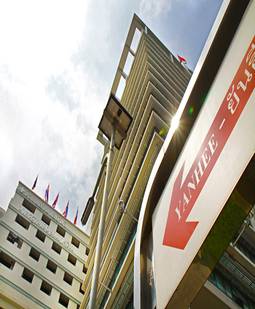 Private Hospital
 JCI
 Thai HA
 ISO