Información clave para planificar polipectomía en el extranjero.
$500 desdePrecio más bajo publicado (Mexico)
30–60 minDuración del procedimiento
16 hospitalesOfrecen polipectomía
20Países con hospitales listados
Polipectomía en el extranjero aparece desde US$500 hasta US$600 en 16 hospitales en Mexico, con 20 países listados en total. La operación dura 30 a 60 minutos. Cada hospital cotiza su propio precio para su caso.
Precios actualizados en may 2017
Descripción de Polipectomía:
What is polypectomy?
Polypectomy is a procedure for the removal of a polyp. A polyp is an unnatural mass of tissue that has grown inside a mucous membrane in the body. It most often develops in the colon and stomach. It also develops in the urinary bladder, uterus and nasal cavities. Some kinds of polyps may be cancerous. Gastrointestinal polypectomy is mostly conducted endoscopically by doing a colonoscopy or a gastroscopy. In rare cases a polyp may be too large to remove it endoscopically. Therefore in such a scenario, the polyp is removed surgically.
How is a colonic polypectomy performed?
A colonic polypectomy is usually done during colonoscopy. During this procedure a polyp that has developed in the lining of the colon and large intestine is removed. The removal of a polyp will relieve symptoms such as rectal bleeding, bowel irregularities, and abdominal pain.
How are different types of polyps removed during a colonoscopy?
The different methods used to do a polypectomy during a colonoscopy depend on the polyp’s shape, size and histological type.
Removal of Small Polyps
Small polyps can be removed by hot and cold biopsy.
Hot biopsy is used to remove small polyps. In this procedure, the polyp is closed by biopsy forceps and electric current is passed to supply electrocautery. Chances of bleeding from the base of the polyp is reduced by this, and most often the polyp is removed completely as the tissue at the polyp base is destroyed.
Cold biopsy is used to remove very small polyps that are up to 3mm. In this procedure the polyp is removed by biopsy forceps without providing electrocautery. This however, may cause the polyp to be removed incompletely. The risk of colonic perforation is removed in this procedure.
Removal of Larger Polyps that are Sessile
It is difficult to remove larger sessile polyps endoscopically, and there is a high chance of complication. Snare polypectomy is used to remove sessile polyps that are up to 10mm. The polyps that are larger than 10mm need to be removed little by little by snare polypectomy. Electrocautery over a big region may case perforation of the colon. Therefore, sterile fluids may be injected at the polyp base to lift it from the colon’s muscular layers.
Removal of Larger Polyps that are Pedunculated
These polyps are taken out by snare polypectomy which is passed around the polyp stalk. The snare’s loop is tightened around the polyp stalk and pulled away from the colon wall. Then, an electric current is passed through the loop of the snare that cuts the stalk of the polyp. The polyp is then removed.
How to prepare for a colonic polypectomy?
Before the polypectomy, the doctor may be required to do some tests on you which include:
Physical checkup and examination of medical history
Examination of the medicines you may be taking
Stool test
X-ray and barium enema
Endoscopic examination of the intestine
Your colon is thoroughly cleaned. The cleansing methods may include:
Enemas: This is a fluid that is put into the rectum for the stimulation of bowel movement.
Laxatives: These are medicines that enable soft bowel movements
Following a clear-liquid diet
Drinking fluids for stimulation of bowel movements
Acerca de Polipectomía
Datos clave para planificar su tratamiento: cuánto dura, la estancia en el hospital, la anestesia, los riesgos y la recuperación.
Duración de la cirugía/tratamiento
30 to 60 minutes
Días de hospitalización
None. Polypectomy is usually done on an outpatient basis.
Anestesia
Local anesthesia
Recuperación
- After the procedure, you may experience some bloating and cramping. This is due to the air that is filled in the colon. Passing of gas will ease this discomfort.
- Pain medicine may be prescribed if required.
- You will completely recover from the polypectomy within two weeks.
- The polyps are sent for lab analysis to confirm or decline the presence of cancerous or precancerous cells
- After the results, if the polyp is tested malignant, follow-up diagnostic tests are scheduled at regular intervals.
Riesgos
The risks that are involved are rare. They occur due the factors like the location, size, and type of the polyp. Risks also depend upon the medical conditions of the patients such as diabetes, obesity, and other diseases and disorders. These complications include:
- Perforation of the colon wall
- Infection
- Bleeding
- Reactions to sedative
Cuidados posteriores
- Patients should not drive, operate machines, or consume alcohol for 24 hours after the procedure.
- Follow the doctor’s instructions carefully.
- Resume normal diet after the procedure.
- Avoid consuming tea, coffee, soft drinks, alcohol and spicy food for 2 to 3 days after the procedure.
- Resume normal activities. However, ask the doctor when you can take part in rigorous exercise.
Costo de Polipectomía por país
Rangos de precios en US$ para cada país con un rango publicado. Cada hospital cotiza su propio precio para su caso.
Welcome to our Private Hospital, where a friendly and courteous team of medical specialists with a wealth of scientific knowledge and ethical standards is committed to taking care of your healthcare needs. Our goal is to provide unmatched medical care by constantly innovating and investing in the tr
The Center's medical team is an expert in the management of highly complex gastrointestinal pathologies, such as Inflammatory Bowel Disease (Ulcerative Colitis and Crohn's Disease) and we perform a multidisciplinary management in hospital and outpatient form.
In the Division of Gastroenterology, local, national, and international patients receive world-class diagnostic evaluations, treatment, consultation, and follow-up care in the full complement of internal medical disciplines.
The Gastroenterology Institute at Rambam Health Care Campus diagnoses, treats, and monitors patients with diseases of the gastrointestinal tract and liver as well as those who suffer from inflammatory bowel diseases.
The Digestive Diseases Unit of the San Vicente University Hospital Foundation is constituted as a center of integral attention to the patient with digestive tract ailments, with a highly qualified group of professionals, who supported by a modern infrastructure and equipment.
The primary goal of the Institutes of Medical and Surgical Gastroenterology is to prevent, diagnose and treat disorders of the digestive tract, liver and pancreatico-biliary system in children and adults.
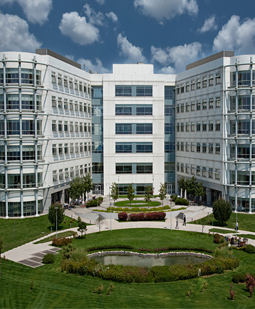 Private Hospital
 Private Hospital
 JCIPrecio a consultar
 Medical Center
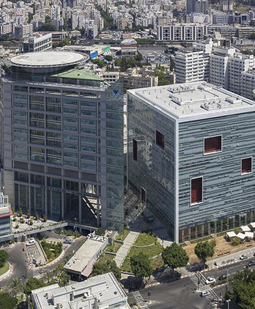 Public University Hospital
 Private Hospital
 Public University Hospital
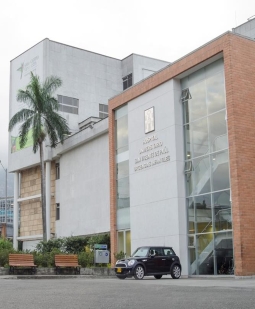 Private Hospital
 ISOPrecio a consultar
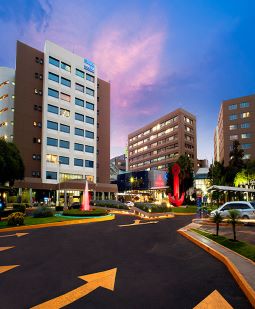 Private Hospital
 Private Hospital
 Private Hospital